
MAKE A RODENT REPORT SPECIFIC ENOUGH TO INVESTIGATE

Pest Control Acton

Movement, noise and disturbed items are observations—not a complete explanation. Tell us where they occur so the enquiry can focus on the relevant spaces.

  • Rodent observations organised by place and date
  • Treatment separated from possible repair requirements
  • Monitoring and review discussed with the assessed scope
Describe the activity at your Acton property020 3404 4091 →
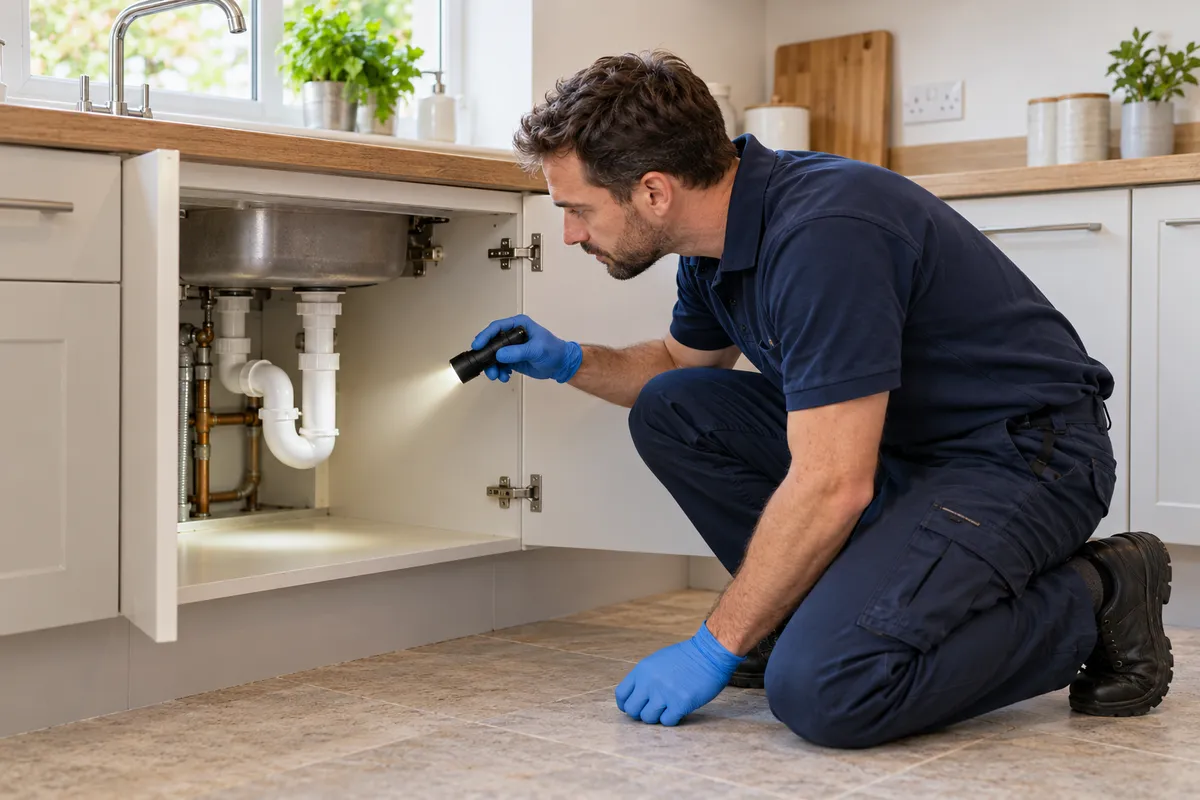
Illustrative technician inspecting pipe-entry areas inside an under-sink kitchen cupboard
Illustrative image — not a customer case study

Which observations prompted the call?

For an Acton rodent enquiry, describe the signs rather than beginning with an assumed entry route. Explain the location, timing and whether the observation has repeated. A sound above a room, disturbed packaging and something actually seen can provide different information. Tell the team which of these applies and keep photographs you already have. Do not open unsafe voids to try to complete the account.

Mention spaces that cannot be accessed and any known maintenance issue, making clear whether it has been checked or is only suspected. The objective is to establish a usable starting point for investigation. A local address does not by itself explain the pest or source, and this page makes no claim that rodent activity is particularly prevalent in Acton.

Keep mice, rats and insect concerns distinct

The mouse control service and rat service details provide different routes for the relevant evidence. Tell us if identification remains open. A caller need not choose confidently between species before making an enquiry, but should avoid turning uncertain noises into a confirmed finding. An inspection may be needed to answer what a telephone description cannot establish.

Bed Bug Finder also offers bed bug, cockroach, flea, moth, ant and other listed services. If insects have been found separately, record those observations separately too. Two concerns at the same property do not automatically have the same cause or require a combined treatment. Ask whether they can be assessed together and how each issue would appear in the scope.

Assessment can identify questions as well as findings

Discuss the accessible areas to be checked and who can provide entry. Where activity concerns adjoining or shared spaces, explain which person controls them. Ask the visit findings to distinguish observations, identification and limitations. If source investigation needs another area or specialist input, the next action should name that requirement rather than imply it has already been resolved.

Rodent work may involve monitoring and review as well as treatment. Ask what each proposed stage is intended to establish. If recommendations concern building access points, drainage or other maintenance, clarify whether further investigation or a separate contractor is needed. Do not treat a possible repair recommendation as a confirmed source or a completed pest-control task.

Put treatment and proofing into separate decisions

Before accepting a quotation, check which pest-control tasks are included and which physical works require another agreement. Explain any earlier attempts to seal access or use products, with dates where available. The team needs that history to understand the current evidence and access. Do not begin alterations simply because an online example suggests the same source must apply to your property.

After the appointment, use the reporting and preparation guidance supplied for the actual plan. Keep observations consistent so a review can compare them with the assessment. An enquiry through the contact page can explain a changed concern, but retain the service-specific reporting details given with a booking rather than relying only on a general public discussion.

Let a review compare like with like

A useful record says where fresh evidence appears, whether it differs from earlier signs and whether recommended actions have been completed. Distinguish a newly accessible area from one already assessed. These details help the team understand change without assuming that every later observation means the same thing. The review arrangements and any additional work should be discussed against the original quote and current findings.

STARTING RATES · CONFIRM THE FINAL QUOTATION

Check whether proofing is actually included

Mice and rat services start from £184 and inspection from £62. Bed bug control starts from £204, with specialist heat from £504 where appropriate to a separate pest enquiry. Ask about monitoring, review visits and physical proofing before comparing totals. Confirm VAT and extra charges. Shared rates are explained on the pricing page; they do not establish the cost of unrelated building or drainage work.

InspectionFrom £62
Bed bug controlFrom £204
Rodent controlFrom £184
Specialist heatFrom £504

Acton access details and neighbouring routes

Provide the exact postcode and the contact for relevant rooms or shared areas. Availability and access are confirmed for your property. The nearby pages below offer other district enquiry routes, without promising identical treatment requirements or appointment times.

LOCAL ANSWERS

A rodent record that supports investigation

Separate heard from seen

State whether the observation was a sound, a visible animal or another sign. This distinction prevents a report from sounding more certain about identification than the available evidence allows.

Give maintenance concerns a status

Say whether a suspected issue has been investigated, scheduled or repaired. That allows recommendations to be discussed against the current building condition instead of an outdated assumption.

Mark monitoring locations clearly

Keep a location-based observation record if monitoring is proposed. Ask the team what information it needs and retain their instructions rather than creating an unrelated checklist from another property’s case.

Acton rodent-investigation questions

Can sounds alone establish which rodent is present?

The source and species may remain uncertain. Describe the timing and location without opening unsafe spaces; the team can discuss the evidence and whether inspection or further investigation is appropriate.

Should I seal a suspected entry route before assessment?

Discuss the concern and any previous alterations with the team before acting on a guess. A suspected route may need investigation, and building works should be planned against the actual findings.

Is drainage investigation automatically part of the rodent price?

No inclusion should be assumed. Ask which investigation is proposed, who would carry it out and whether it requires a separate specialist or quotation beyond the pest-control scope.

Can an insect issue be assessed with a rodent enquiry?

Explain both sets of observations and ask about the appointment scope. They may require separate identification and recommendations; one service should not silently be presented as addressing unrelated pests.

How should I record a newly accessible cupboard?

State when it became available and whether it had previously been outside the assessment. New evidence there should be discussed with that access history rather than described as already covered.

What should I ask about a proposed monitoring stage?

Ask its purpose, the observations required and when the information will be reviewed. Check the included visits and charges so monitoring does not become an undefined extension of the original booking.

Give the investigation a reliable starting point

For pest control in Acton, describe the activity, accessible areas and known maintenance history. The team can discuss a plan that distinguishes evidence, treatment and further source questions before you approve the next stage.

Talk about the signs and investigation scope020 3404 4091 →

Local design pilot. Booking availability and final service scope require confirmation.

☎