
ONE ROOM’S EVIDENCE IS NOT A WHOLE-PROPERTY FINDING

Pest Control Kensington

Explain where signs appeared and which rooms remain uncertain. A room-by-room account helps define the assessment question without assuming that every space has the same condition.

  • Evidence recorded separately for each relevant room
  • Unexamined spaces kept distinct from assessed findings
  • Treatment boundaries discussed before approval
Discuss the rooms concerned in Kensington020 3404 4091 →
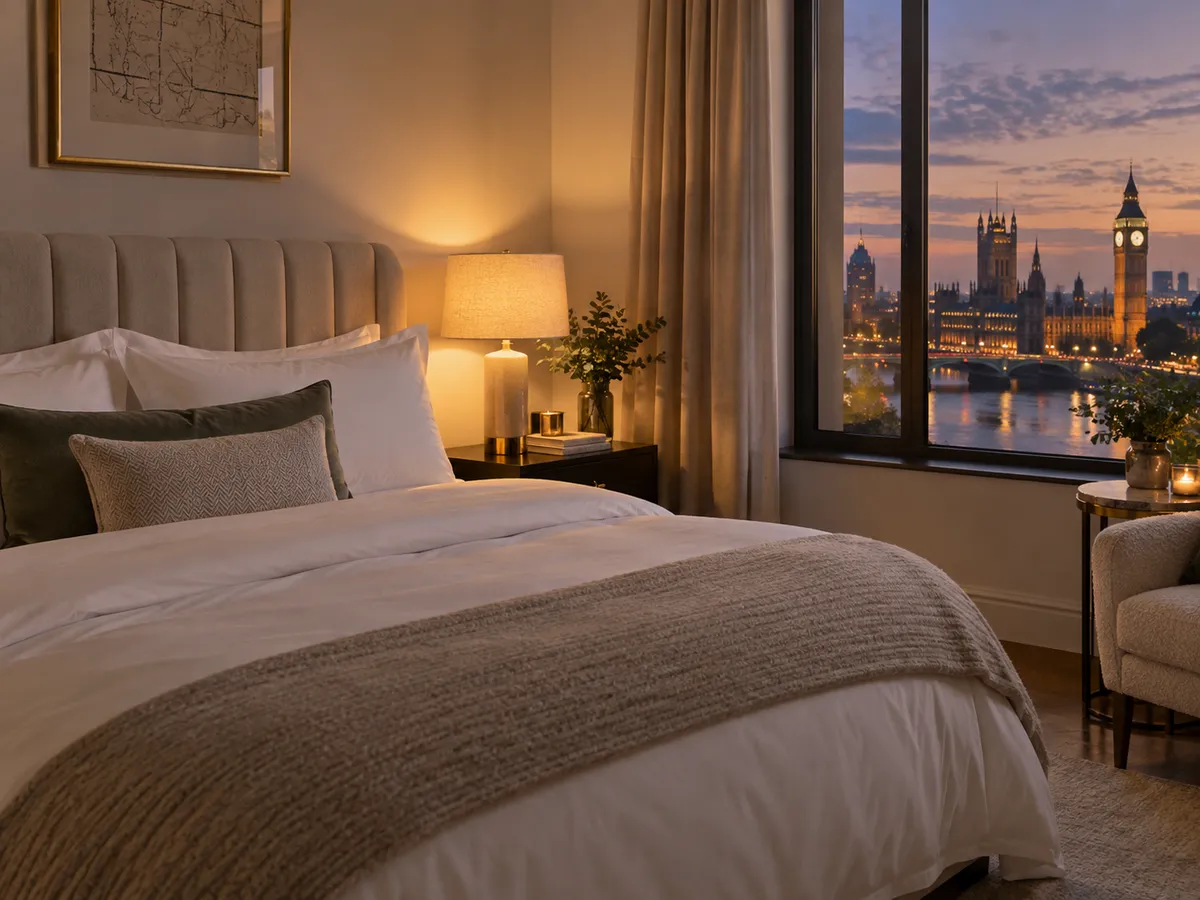
Illustrative bedroom with bedding and furniture
Illustrative image — not a customer case study

Begin with the room where the concern arose

Describe the observed sign, date and actual position within the room. Explain whether you have seen similar evidence elsewhere or are simply worried about other spaces. Both can be discussed, but they are not equivalent findings. An enquiry should preserve the difference between a known observation and a question about possible extent.

For Kensington pest control, describe the actual premises without inferring its size, use or construction from the district. The team needs to understand the rooms involved and the access available. Keep existing images with their locations rather than group several photographs under a general label that loses the detail needed for assessment.

Do not extrapolate from one space too quickly

A finding in one room may justify further investigation without confirming every room is affected. Likewise, not noticing evidence in another space does not independently settle its status. Ask what assessment would answer the extent question and what limitations apply. The useful scope is based on a recognisable question rather than an unsupported property-wide conclusion.

The bed bug service information and moth control details describe separate pest concerns. A familiar room use does not identify the species. Explain uncertainty honestly so the team can consider identification and extent before a treatment boundary is chosen.

Map access without inventing findings

List the relevant rooms that can be entered and any space controlled by another person. Explain locked storage or possessions that cannot be examined. The service record should retain those limits instead of treating a building-level appointment as proof about every internal area. Ask whether further permission would help resolve a particular unanswered question.

If access changes before attendance, explain it directly. A room included in an initial plan may need a revised arrangement when entry is no longer possible. Preparation instructions should relate to the accepted method and coverage. Do not prepare every space according to a generic list simply to make the appointment appear comprehensive.

Agree what the proposed work includes

Ask the quotation to identify covered areas, exclusions and visits. Specialist heat has its own suitability and preparation discussion when relevant. The home heat information describes another service route without establishing that every property enquiry needs it. Coverage should follow assessment rather than whichever option sounds broadest.

Keep the accepted scope and completed record together after attendance. Report later signs with the relevant room and date, noting any changes in access or contents. A review can then distinguish an observation in treated coverage from a question about an excluded space, instead of treating all subsequent evidence as the same outcome.

STARTING RATES · CONFIRM THE FINAL QUOTATION

Relate the starting figure to assessed coverage

Inspection starts from £62, common rodent and insect services from £184, bed bug control from £204 and specialist heat from £504. Confirm rooms, preparation, visits, VAT and extras. The rate guide does not establish a room-by-room tariff or fixed whole-property price from the address alone.

InspectionFrom £62
Bed bug controlFrom £204
Rodent controlFrom £184
Specialist heatFrom £504

Kensington access and nearby area enquiries

Supply the postcode and the contact arranging access to the relevant rooms. Confirm availability for the property and proposed service. Nearby routes do not imply identical layouts, pest evidence or scope requirements.

LOCAL ANSWERS

Keep the room account precise

Observed space

Identify where evidence was actually found. This gives the team a starting point without turning a single observation into a finding about the entire premises.

Unanswered space

Describe another room as uncertain when it has not been assessed. Worry and absence of visible signs should not be substituted for an inspection conclusion.

Agreed coverage

Keep the accepted treatment boundary recognisable. A method title should not silently include excluded rooms or possessions that could not be examined.

Kensington room-scope questions

Does evidence in one room confirm the whole property is affected?

No. Extent is a separate assessment question. Explain observations in each space and ask what further investigation would clarify the coverage needed.

Can I ask about a room without visible signs?

Yes. State the uncertainty honestly rather than presenting it as confirmed activity. The team can discuss whether and how assessment would address the question.

Should every room be prepared before the method is agreed?

Clarify the appointment requirements first. Preparation should relate to the accepted service and coverage, not a generic assumption that every room will receive identical work.

How should a locked room affect the findings?

Its unavailable status should remain a limitation. Ask what additional permission or access would help without describing an unexamined space as checked or cleared.

Is home heat automatically a whole-property quotation?

The assessed scope determines coverage. Confirm areas, contents, preparation and exclusions rather than infer the boundary from a service title or starting figure.

What room details matter during later review?

Date and locate the new sign, refer to completed coverage and explain subsequent changes. Included and excluded areas should remain distinguishable in the review account.

Define the rooms before defining the treatment

For Kensington pest enquiries, bring the evidence by location and explain access to uncertain spaces. The team can discuss assessment and coverage without replacing a room-specific question with an unsupported whole-property promise.

Clarify evidence and the proposed room coverage020 3404 4091 →

Local design pilot. Booking availability and final service scope require confirmation.

☎