
NEW EVIDENCE MAY REQUIRE A NEW QUESTION

Pest Control Dalston

A later observation does not always concern the pest named in earlier work. Keep the new evidence distinct and bring the previous service record into the assessment conversation.

  • New observations compared with assessed earlier findings
  • Changed identification considered before repeat work
  • Review based on completed coverage and current evidence
Discuss the new signs in Dalston020 3404 4091 →
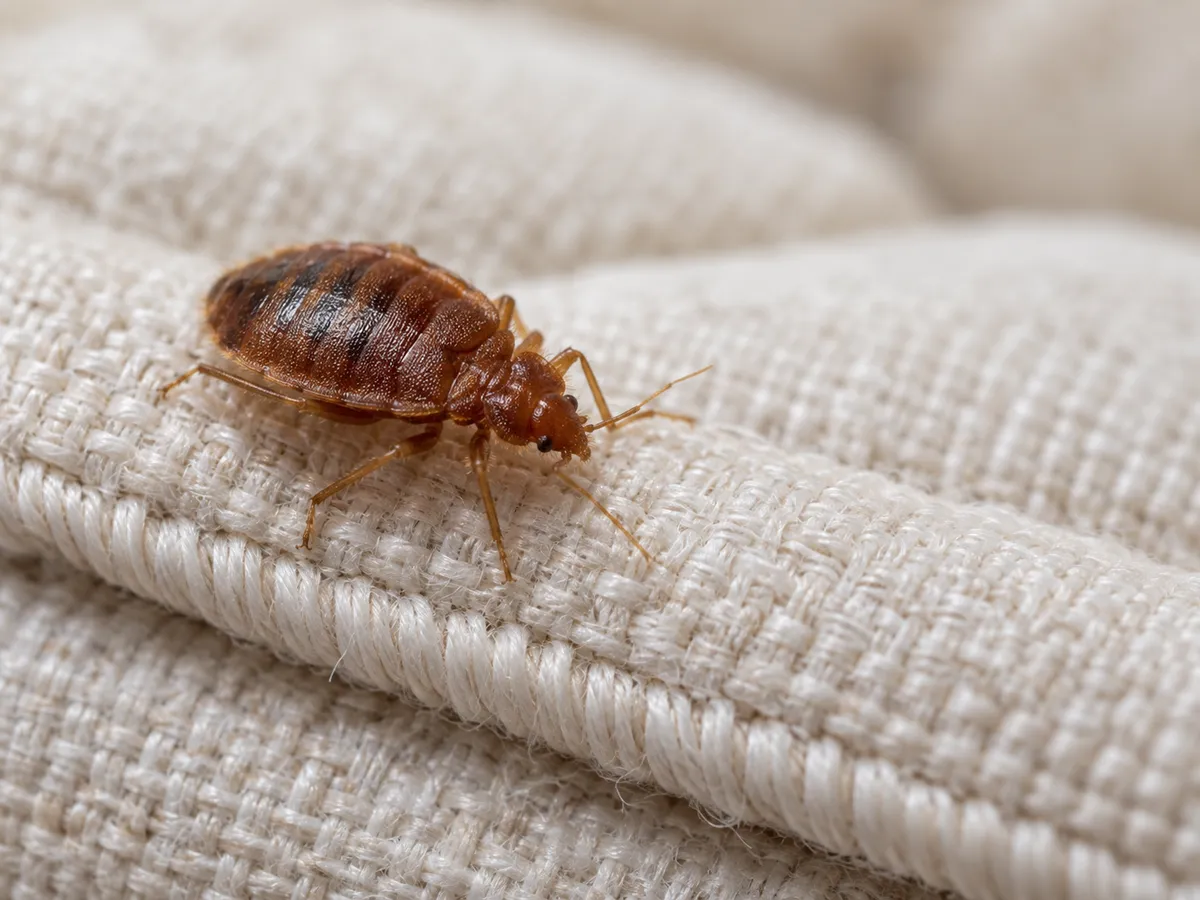
Illustrative close-up of a bed bug on fabric
Illustrative image — not a customer case study

Explain the new observation on its own terms

Describe what appeared, where and when, without labelling it solely from the earlier booking. A different insect, mark or damage pattern may need another assessment question. If the observation is only a suspicion, retain that distinction. The fact that work has already occurred is relevant history, not proof of the identity or cause of everything noticed afterwards.

For Dalston enquiries, give the actual property context and any available photograph with its date and location. State what you observed personally and what another person reported. A changed account should not overwrite the original evidence; the sequence helps the team understand whether the current concern is a continuation, a separate issue or still unidentified.

Use the earlier findings rather than only the invoice

An invoice may name a service without explaining identification, inspected spaces or limitations. Keep the assessment record, completed coverage and relevant instructions where available. Explain whether the original pest was confirmed or suspected. An earlier possibility should not become more certain merely because a payment document repeats the service category.

The flea service information and carpet beetle details concern separate insect routes. Bed bug treatment is another specialist service. A superficial resemblance or a previous method does not establish which route addresses the new evidence. Ask what remains to be identified before deciding to repeat work.

Discuss whether review or a fresh assessment is appropriate

Tell the team which spaces were included previously and whether the new observation came from one of them. Note areas excluded or inaccessible during the earlier appointment. The relationship between completed work and new evidence matters, but it should not be guessed. An observation elsewhere does not automatically prove failure or confirm that the original scope was incomplete.

Explain changes in contents, access or actions since attendance. Those details can affect the interpretation of the record without establishing a source on their own. Ask which question a proposed appointment will address and how it differs from a repeat treatment. An assessment-led conversation should preserve uncertainty where the available evidence does not settle the relationship.

Do not repeat a method simply because it is familiar

If another service is proposed, clarify the assessed concern and suitable coverage. Preparation and instructions may differ from the earlier booking. Do not independently follow the old list for a new method. The responsible contact should receive the current proposal and understand any additional charges before authorising work based on an earlier experience.

Use the contact route to discuss findings and the next step. Retain the updated record after assessment, keeping any changed conclusion explicit. Future reports can then use the current identification and completed scope rather than alternate between an old service label and a new suspicion without explaining the difference.

STARTING RATES · CONFIRM THE FINAL QUOTATION

Confirm whether the next appointment is review or new work

Inspection starts from £62; common rodent and insect services from £184; bed bug control from £204; specialist heat from £504. Clarify the proposed appointment, included visits, coverage, preparation, VAT and extras. The rate guide does not establish that a different concern is included in an earlier booking or eligible for unconfirmed free repeat work.

InspectionFrom £62
Bed bug controlFrom £204
Rodent controlFrom £184
Specialist heatFrom £504

Dalston evidence and local appointment enquiries

Give the property postcode and the contact able to provide previous records and entry. Availability needs confirmation for the proposed service. Nearby routes help district navigation without assigning the same pest or treatment history to other properties.

LOCAL ANSWERS

Connect old and new records without conflating them

Earlier conclusion

Keep the identification as originally assessed, including uncertainty. A service name on an invoice does not replace the evidence or limitations of that finding.

Current observation

Date and locate the new sign independently. State why it seems different without deciding in advance that it is either the same pest or a failure of earlier work.

Updated question

Ask whether the appointment concerns review, identification or another service. The next scope should explain its relationship to the earlier completed work.

Dalston changed-evidence questions

Does a new insect mean the previous treatment failed?

Not automatically. Identification, location and the earlier completed scope need consideration. A later observation should not be attributed to previous work without assessment of its relationship.

Is an old invoice sufficient to identify the pest?

It may identify a service category rather than the actual finding. Provide assessment notes and coverage where available, stating whether the earlier identification was confirmed or provisional.

Can I ask for the same treatment without new assessment?

Explain the current evidence first. A familiar method may not address a different or unresolved concern, and the proposed next step should follow the relevant assessment question.

Should I use the preparation guidance from last time?

Confirm instructions for the current accepted service. Different identification, method or coverage can change the requirements, so earlier guidance should not be applied without clarification.

Is a different pest covered by my previous booking?

Check the accepted scope and review conditions. A past payment or starting rate does not establish unlimited work or inclusion of a separate concern discovered later.

How should a changed identification be recorded?

Keep the new assessed conclusion with its evidence and date, explaining the change from the earlier finding. Future reports should use the current record without erasing useful history.

Let the current signs shape the next decision

For Dalston pest control, bring the new observation and the earlier findings together while keeping them distinct. The team can discuss the appropriate assessment or review without repeating a method simply because it was used before.

Review the evidence before repeating treatment020 3404 4091 →

Local design pilot. Booking availability and final service scope require confirmation.

☎