
RESEARCH CAN PREPARE YOUR QUESTIONS, NOT DIAGNOSE YOUR HOME

Pest Control Streatham

Reading about a pest can leave you with several competing explanations. Use the information to decide what to ask, then bring your own observations to a local service discussion.

  • Guide information separated from property-specific findings
  • Community experiences used as questions, not guarantees
  • Professional help discussed when the evidence needs assessment
Discuss the question your research has raised020 3404 4091 →
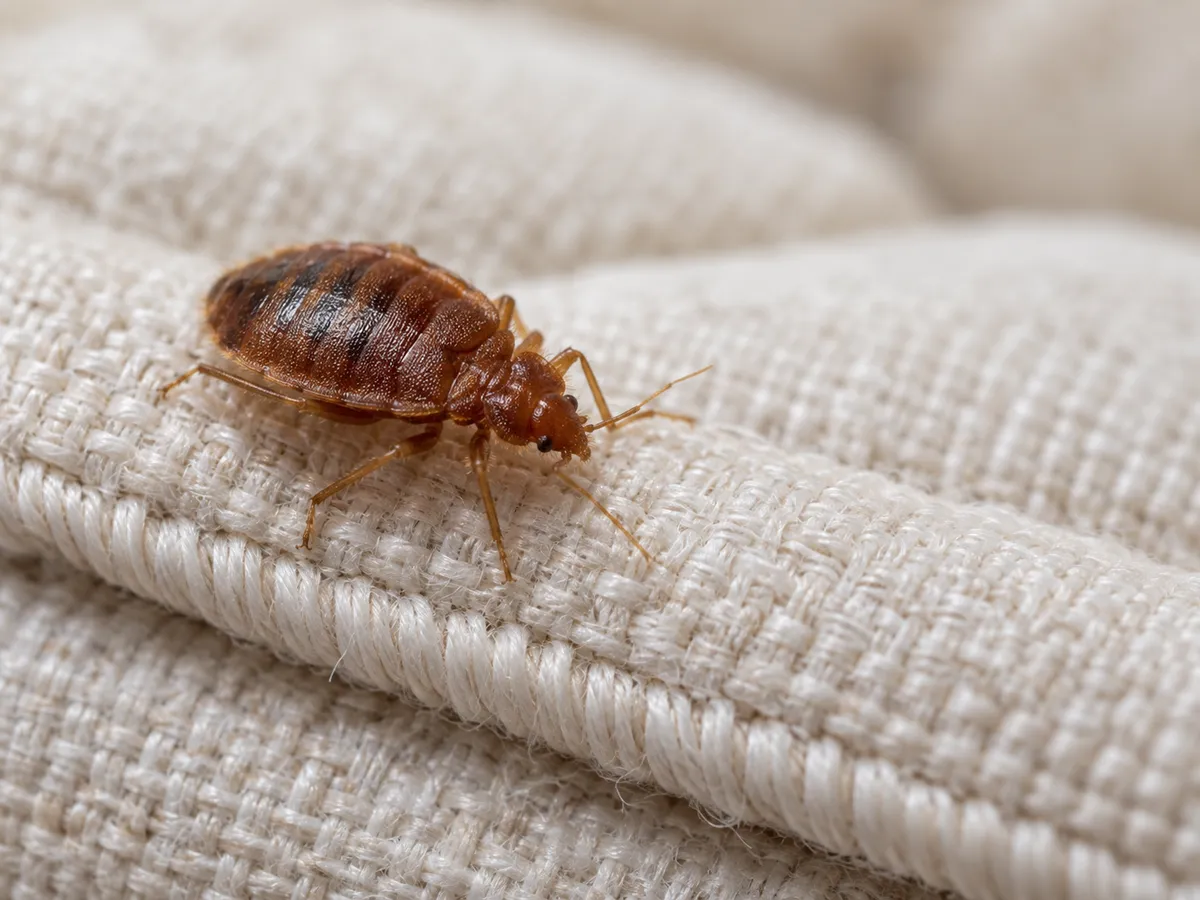
Illustrative close-up of a bed bug on fabric
Illustrative image — not a customer case study

What are you trying to understand?

Start by naming the question behind your research. You may want to know whether an insect resembles a bed bug, whether a sign deserves inspection or how a proposed treatment differs from another option. Those questions need different information. Reading more pages will not necessarily help if they answer a different problem from the one you actually have.

For Streatham pest enquiries, tell the team what you noticed and what remains uncertain. There is no requirement to arrive with a complete diagnosis. A useful guide can explain a service or evidence type without establishing the condition of your property. Keep that distinction visible when you move from reading to arranging professional help.

Use a guide for the question it actually answers

Service information explains options and practical considerations. Identification material describes evidence that may be useful. Neither should be treated as an inspection of rooms it has never seen. The bed bug treatment information can help frame a specialist enquiry; the carpet beetle service page addresses another possible concern where relevant.

If several explanations seem plausible, do not resolve the uncertainty by choosing whichever page appears most reassuring. Note what evidence each explanation would need and describe what is actually available. A photograph, observation location or damaged item can inform the conversation without confirming every aspect of identity, extent and treatment suitability.

Read community experience without borrowing its diagnosis

The existing community forum contains real discussions. An account can reveal useful questions about preparation, unexpected costs or later review. It remains somebody else’s experience. Their room arrangement, evidence and accepted service may differ from yours, even when a heading sounds closely related.

When posting publicly, avoid personal contact details, precise property information and unnecessary private records. Describe the question and relevant observation with its uncertainty intact. Replies can help you articulate what to ask a service team, but they cannot inspect your home remotely or provide a guarantee based on another customer’s outcome.

Know when more reading is not the next useful step

If the available material leaves the actual pest uncertain, explain that directly. If identity seems clearer but the affected boundary remains unknown, ask what assessment would address extent. These are different gaps. A professional enquiry can discuss the purpose and practical limits of inspection instead of asking you to keep searching until every ambiguity has disappeared.

Mention areas that can be accessed and any evidence already moved or discarded. The team should know what the proposed visit can examine. Instructions for preparation follow the accepted method and scope; a checklist encountered while researching another option should not become an improvised plan for your appointment.

Bring a short question list into the service conversation

Summarise the observation and the two or three decisions you need clarified. Ask which findings support a proposed method, what coverage is included and how later evidence should be reported. There is no need to reproduce an entire forum thread or turn a long reading history into proof that treatment is required.

After attendance, keep the assessed findings and actual completed scope as the current reference point. A new online story should not override that record. If later evidence raises another question, date and locate it and explain what has changed. Community information can still help you formulate questions while the review remains grounded in your own service history.

STARTING RATES · CONFIRM THE FINAL QUOTATION

Identification comes before a meaningful service comparison

Inspection starts from £62; bed bug control from £204; carpet beetle and many insect services from £184; specialist heat from £504. The price guide lists shared starting rates, not a diagnosis from an uploaded image. Confirm actual areas, method, visits, VAT and additional charges once the assessment supports a defined service proposal.

InspectionFrom £62
Bed bug controlFrom £204
Rodent controlFrom £184
Specialist heatFrom £504

Streatham assessment enquiries and nearby routes

Provide the postcode privately when arranging an appointment and explain access to the relevant spaces. Availability is confirmed for that property. Nearby district pages offer other enquiry routes without fixed response times.

LOCAL ANSWERS

Keep three kinds of information separate

Educational explanation

A guide describes a topic or option. It can make a question clearer without confirming the identity, extent or suitable treatment of evidence in your property.

Community account

A discussion describes the information somebody else supplied. Similar wording does not establish matching premises conditions or promise that their service outcome will apply to your enquiry.

Property finding

An assessed record concerns available evidence and actual checked coverage. Retain its limitations and date rather than replace it with a stronger conclusion borrowed from online material.

Streatham research-to-service questions

Can I enquire while several online explanations still seem possible?

Yes. Describe your observation and the uncertainty. Research is not a requirement to diagnose the pest yourself before discussing identification or a useful assessment.

How should I use another person’s treatment experience?

Use it to identify questions about scope, preparation or review. Keep their circumstances separate; an experience elsewhere does not establish the right method or likely outcome for your property.

Does a guide establish the condition of my rooms?

No. Educational material may describe useful evidence or options but does not examine your premises. Identification and extent need consideration using your own observations and available access.

What should stay out of a public community question?

Avoid personal contact details, precise property information and unnecessary private records. Explain the relevant observation and question without exposing information that the discussion does not need.

Should I prepare using a checklist I found during research?

Confirm instructions for the accepted service. Material about another method or scope should not become a substitute for booking-specific guidance or trigger unnecessary changes to belongings.

What if a later forum story contradicts my service record?

Raise the actual question with the team and provide new dated evidence where available. Another person’s account should not automatically override assessed findings or completed coverage at your property.

Use information to ask a better property-specific question

Call about Streatham pest control with your observation and the decision you need clarified. Guides and community experience can support the conversation while assessment, method and coverage remain grounded in your own evidence.

Turn the research into a practical service enquiry020 3404 4091 →

Local design pilot. Booking availability and final service scope require confirmation.

☎