
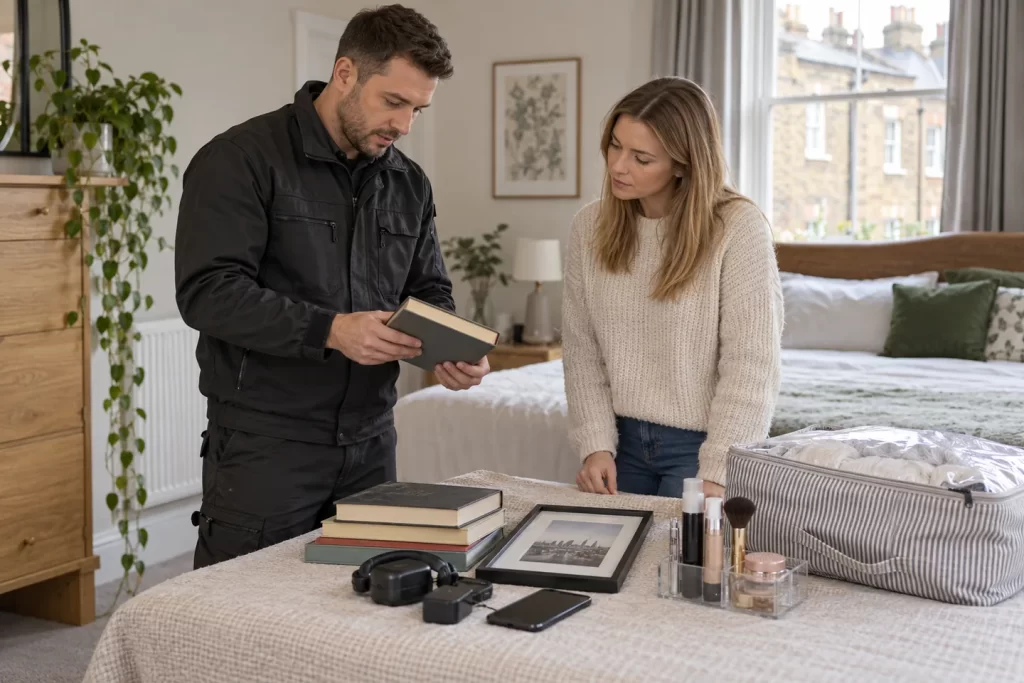
When a professional bed bug heat treatment is planned, the most difficult preparation decisions often concern possessions rather than furniture. You may need to keep a medicine available, protect an artwork, or decide what to do with a laptop that has been beside the bed. A quick list of everything that might melt is only half the job. Anything removed from a suspect room may also carry an insect into a clear area unless its movement is planned. The safest approach is to agree a treatment route for each uncertain category with the provider before the appointment.
Professional equipment and room temperatures vary, and so do materials. No general article can certify that a particular item will tolerate a particular treatment. The US Environmental Protection Agency advises that heat-sensitive belongings should be handled carefully and may require an alternative technique. Ask the treatment team for written instructions for your property, then label and track items according to those instructions. This article provides a way to structure that conversation; it is not a universal removal list.
Start with three questions for every uncertain item
First, where has the item been? A book kept in a bedside drawer deserves different consideration from a similar book stored in a separate, unaffected room. Second, what is it made of and what does the manufacturer say about heat exposure? Third, if it cannot stay in the treatment zone, how will it be inspected, isolated or treated separately? These questions address both damage and the possibility of carrying bed bugs elsewhere.
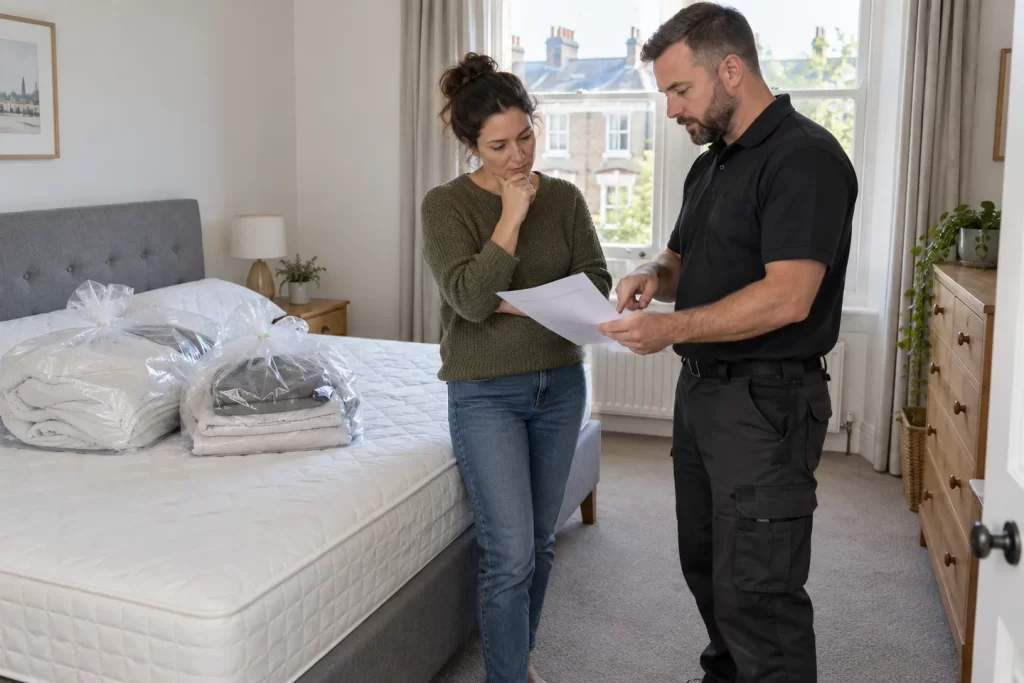
Make a short inventory by location rather than a huge list of individual objects. For example, note “bedside table: medicines, phone, framed photograph” and “wardrobe top shelf: candles and cosmetics”. Photograph the arrangement before packing anything. Bring the list to the technician, or send it in advance if the company invites questions. In a shared home, agree who owns the decision for belongings in each room so a bag is not moved without a plan.
Confirm the room boundary first. The bedroom heat treatment preparation guide covers access, bedding, people and pets. For possessions, the key point is that preparing one room should not scatter its contents into untreated rooms. The EPA warns against transferring clutter from an infested area into a clear one. Keep suspect objects in their original room or in sealed, labelled containment until the provider advises what happens next.
Medicines and items needed every day
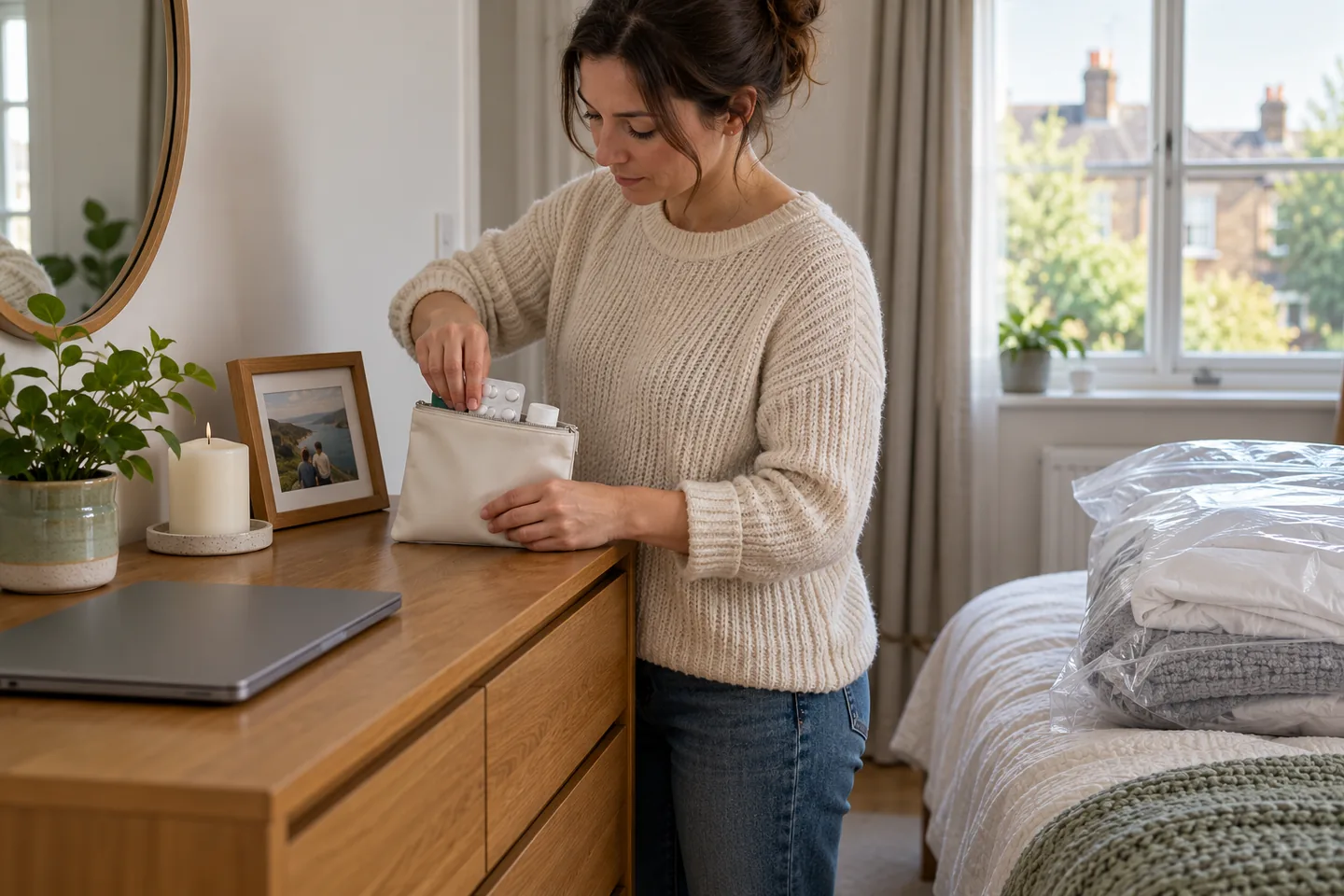
Medicines, medical devices and essential personal supplies should be raised with the technician early. You may need them while away from the property, and some products have storage requirements on their packaging. Never leave a needed medicine behind simply to make preparation easier. Equally, do not assume its container can be put into a heated room. Ask how to remove essentials safely, especially if they have been stored immediately beside suspected activity.
Plan a small essentials bag with the treatment provider. If an object needs inspection or separate containment before it leaves, allow time for that step. Keep a clear record of where the bag goes during the appointment and when it can return. Someone who uses an electrical medical device should also discuss power, access and timing with the provider well before treatment day. A practical plan for health needs is more useful than an improvised decision at the front door.
Food, supplements, toiletries and cosmetics may also have packaging or ingredients that react poorly to heat. Ask about sprays, pressurised containers, wax-based items and liquids. The provider can say which must be excluded, which can stay under its method and whether an excluded item needs a separate pest-control step. Do not place everything vaguely called “sensitive” into a communal hallway; a labelled holding plan matters.
Electronics and batteries require an item-specific decision
Phones, laptops, tablets, chargers, televisions, game consoles and battery-powered devices have different components and manufacturer limits. A sturdy outer case does not tell you how its internal parts or battery will respond. Tell the provider which electronics are in the treatment area and where each was stored. Ask what its procedure is for devices kept near a bed and whether inspection, isolation or a separate treatment method is recommended.
Avoid opening an electrical appliance yourself to look for insects. A quick visual inspection of accessible exterior seams may be possible, but dismantling an appliance introduces safety and damage risks. If a device is excluded from room heat, keep it separate from clean belongings until its handling route is settled. A laptop taken from the bedside into an untreated lounge and immediately placed on a sofa can create a new exposure path. A sealed, labelled container may be appropriate if the technician directs it; do not seal an operating or hot device in plastic.
Record the outcome for each category. “Removed” is not the same as “cleared”. A simple note such as “bedside laptop, inspected by technician, stored sealed until further advice” prevents someone from later assuming it was heat-treated with the bedroom. Ask for the treatment report to identify significant exclusions where they affect the result.
Art, instruments and sentimental possessions
Photographs, original artwork, glued frames, vinyl records, musical instruments and antiques may be sensitive to changes in temperature or humidity. Their value may be sentimental as well as financial. Tell the provider about them before the visit, particularly if they are near a sleeping area or stored inside furniture included in the treatment zone. A technician may need to inspect an item's accessible surfaces before deciding how it can be moved or isolated.
Do not rely on the label “wood”, “metal” or “glass” to settle the question. An object can contain adhesives, finishes, electronics or mixed materials. Even when the material could tolerate heat, an enclosed construction may affect how quickly its interior warms. The appropriate decision belongs in the provider's property-specific plan. Ask what condition the item will be in afterwards and whether its manufacturer has stated a storage or temperature limit.
For valuable items, photograph their pre-treatment condition and ask who will move them. If the provider excludes them, request a clear return route. It is often possible to protect the item and maintain pest containment, but that requires a deliberate sequence rather than a last-minute trip to a friend's house.
Fabrics, soft toys and luggage are a different group
Washable fabrics can sometimes be processed separately in a dryer when their care instructions permit it. The EPA advises a hot dryer for suitable clothing and bedding and sealed storage after processing to reduce re-exposure. Ask how the provider wants textiles bagged and whether it will handle any items on site. Keep untreated and processed bags visibly distinct. Washing alone should not automatically be treated as equivalent to the advised heat step.
Delicate clothing, leather, foam-filled toys, luggage and bags may not follow the same route as ordinary cotton bedding. A suitcase can have seams, linings and compartments, while a soft toy can have filling or plastic parts. Tell the provider about these constructions rather than selecting a dryer cycle from an online checklist. The site's clothes and luggage heat treatment service describes a separate service option; ask whether it applies to your item and what preparation it requires.
If a child needs a particular toy overnight, decide its handling before the treatment day. A toy from the suspect bed should not quietly enter a clean overnight bag and then return to the treated room unchanged. A workable plan might involve inspection, a suitable separate process or a temporary substitute, depending on the object's materials and the provider's instructions.
Plants, candles and other easily overlooked objects
Bedrooms often contain small objects that escape a furniture-focused checklist: plants, candles, wax decorations, makeup, aerosols, perfume, cleaning products, adhesives and batteries. Bring these up during preparation even if the room looks sparse. Some need exclusion for safety or damage reasons, and the technician may have site-specific rules. Do not decide that an item is harmless because it is small.
The same principle applies to objects inside drawers or under the bed. A technician cannot evaluate a closed box whose contents have not been disclosed. You do not need to lay every private possession on display, but you can identify categories that may need special handling. Ask how to preserve privacy while letting the team make the right safety and treatment decisions. If a box is excluded unopened, understand what that means for the treatment scope and later return.
Keep a chain of custody for excluded items
The most useful record has four parts: the item or bag, its original room, why it was excluded, and its next handling step. Mark it “untreated” until the provider confirms otherwise. Store excluded belongings where instructed, away from processed items. Agree who will move them, who will check them and when they may return. This can be a few handwritten lines, not a complicated spreadsheet.
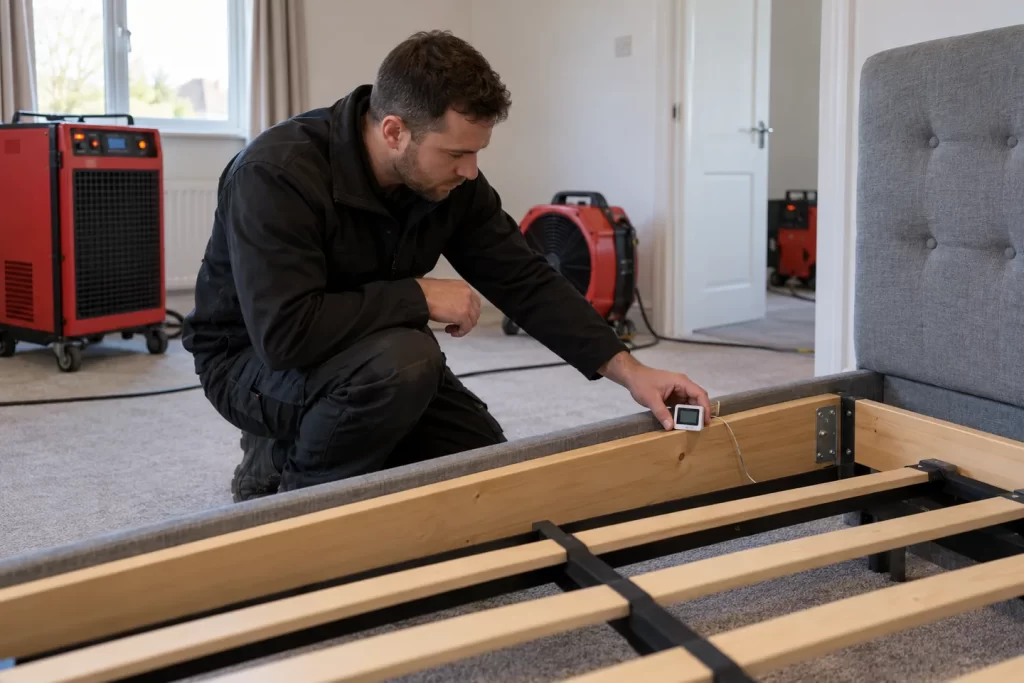
Ask how the team documents conditions during the job. The site's heat monitoring page explains why measurements at different locations matter. A room temperature reading does not certify the treatment status of an object removed before heating, nor prove that every dense object reached the same conditions. The treatment report and the belongings record should be consistent about exclusions.
Finally, review the company's heat treatment preparation checklist with your list in hand. Resolve uncertain objects before technicians arrive, and ask for any alternative handling instructions in writing. Protecting belongings and preventing the spread of bed bugs are connected parts of the same plan. The best preparation makes both decisions traceable.
Leave a Reply
You must be logged in to post a comment.