
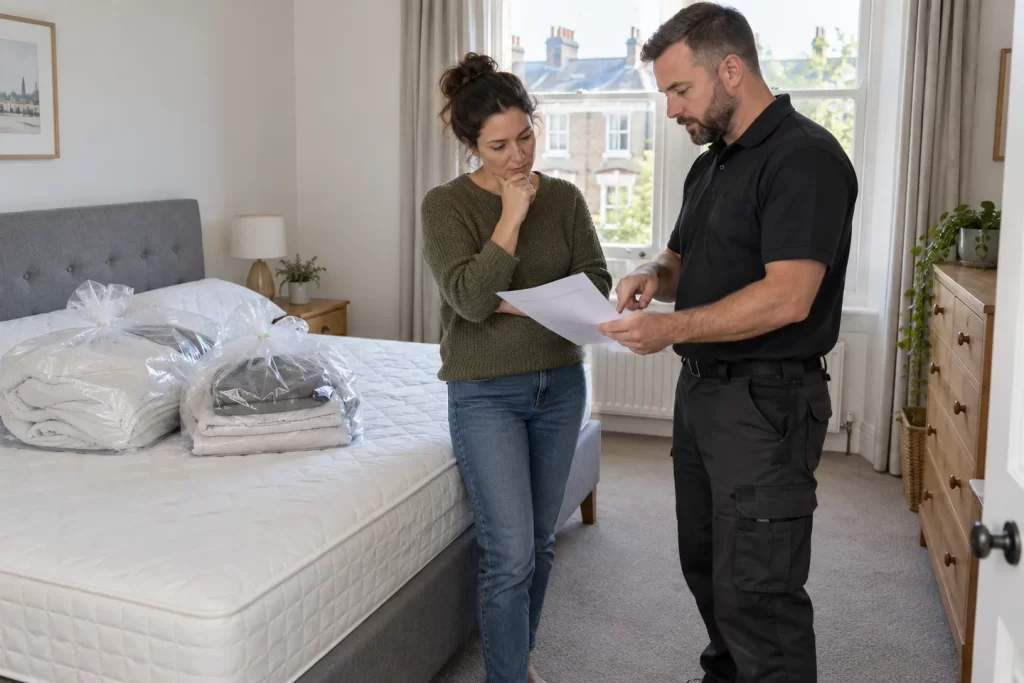
Preparation for professional bed bug heat treatment begins with the provider's written instructions, not a universal rule to strip the bedroom bare. Heat has to reach the places where bed bugs may hide, while people and belongings need a safe plan for the treatment period. The exact arrangements depend on the equipment, treatment area and furniture in your property. This guide helps you organise the questions and tasks that commonly matter so you can confirm each one with the team doing the work.
Do not start moving suspected items into another room simply to make the bedroom look tidy. That can spread bed bugs beyond the area being assessed. The US Environmental Protection Agency specifically cautions against shifting clutter from an infested area into a clear one. A useful preparation plan makes access easier while preserving containment. If the diagnosis or treatment boundary remains uncertain, settle that with the inspector before opening bags, dismantling furniture or deciding what can stay in place.
Confirm the treatment boundary first
Ask which bedroom or bedrooms are included, whether adjoining spaces or a regularly used sofa need assessment, and who will decide that on the day. A room that seems to have the clearest signs is not necessarily the only relevant space. The professional bed bug inspection guide explains how the history and physical evidence should guide scope. Preparation instructions for a single bedroom may be insufficient if the agreed job actually includes a flat or several linked rooms.
Request a written checklist that names what to move, what to leave, and what the technician will handle. Ask whether the provider needs clear floor space, access to plug sockets for its equipment, parking or a route for moving equipment into the room. If you live in a shared building, agree who can provide entry and when other occupants need to be informed. A written scope prevents one resident from carefully preparing a bedroom while another unknowingly carries untreated items back into it.
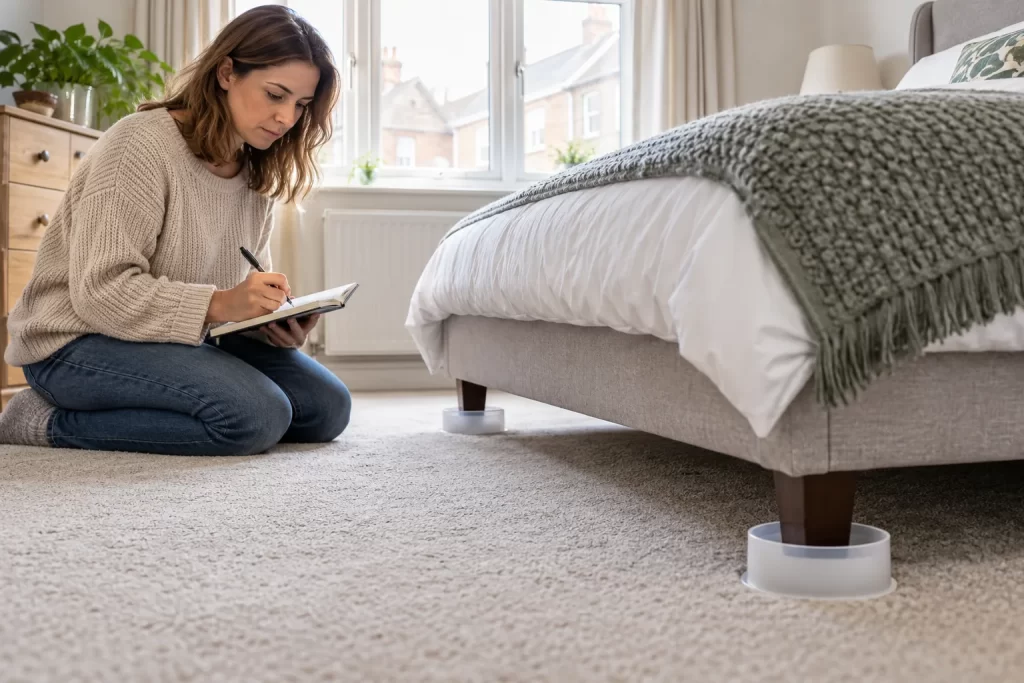
Make a quick record of the room before you change it. Photograph the bed position, furniture arrangement and any visible evidence already identified. Note which cupboard or bedside unit holds loose items. The record helps you explain what was moved and keeps a treatment report meaningful later. It need not be a full inventory of every sock and book.
Make access possible without scattering belongings
The provider may need room around the bed, furniture and floor edges to position equipment and check hard-to-reach areas. Ask how far furniture should be moved, if at all, and whether technicians prefer to reposition heavy pieces themselves. Do not drag a large wardrobe, bed base or bookcase without help. Clear narrow walking routes and remove ordinary trip hazards that could obstruct safe setup. Keep exits usable.
Clutter can shield areas from inspection and airflow, yet hurried decluttering can be counterproductive. Separate obvious rubbish, but follow the provider's handling instructions for anything from the suspected room. Seal waste or textiles before transport where directed. Do not place unbagged bedding on the landing or mix it with clean laundry. The EPA's preparation guidance advises sealing items moved between areas and being careful not to spread bed bugs during clutter reduction.
The site's heat treatment preparation page sets out the company's broader client checklist. Use that page and your appointment instructions together; the technician's written direction for your specific room takes priority where a general guide cannot account for its layout. If you are told to leave certain drawers partly open or items in place, ask why and follow the agreed arrangement. Emptying every cupboard without instruction can create extra handling and confusion.
Plan for bedding and washable fabrics
Ask whether to remove sheets, pillowcases and other bed linen before the visit or leave them for the technician to inspect first. The answer may depend on whether signs have been documented and how the provider treats fabrics. If the team tells you to bag textiles, seal each bag in the bedroom before carrying it elsewhere. Label bags by room and by what has or has not been treated. A bag from a suspected room should not be treated as clean simply because its contents have been folded.
For machine-safe items, the EPA advises using a hot dryer cycle as an effective heat option and storing cleaned items in sealed bags to prevent re-exposure. Check fabric care labels and the provider's directions before applying any temperature guidance. Some delicate fabrics, foam-filled items or household possessions cannot be handled like ordinary cotton bedding. Washing alone may not provide the same result. The aim is to keep a clear distinction between items awaiting treatment and items already processed, not to run every possession through the same cycle.
If children share the room, include toys, soft furnishings and spare bedding in the discussion. Ask which can remain, which need separate handling and how to store essential items during the visit. Avoid putting a child's favourite soft toy in an untreated overnight bag and then returning it directly to the treated bed. A short bagging and return plan is easier to follow than an improvised collection of unmarked bags.
Identify belongings that need a separate decision
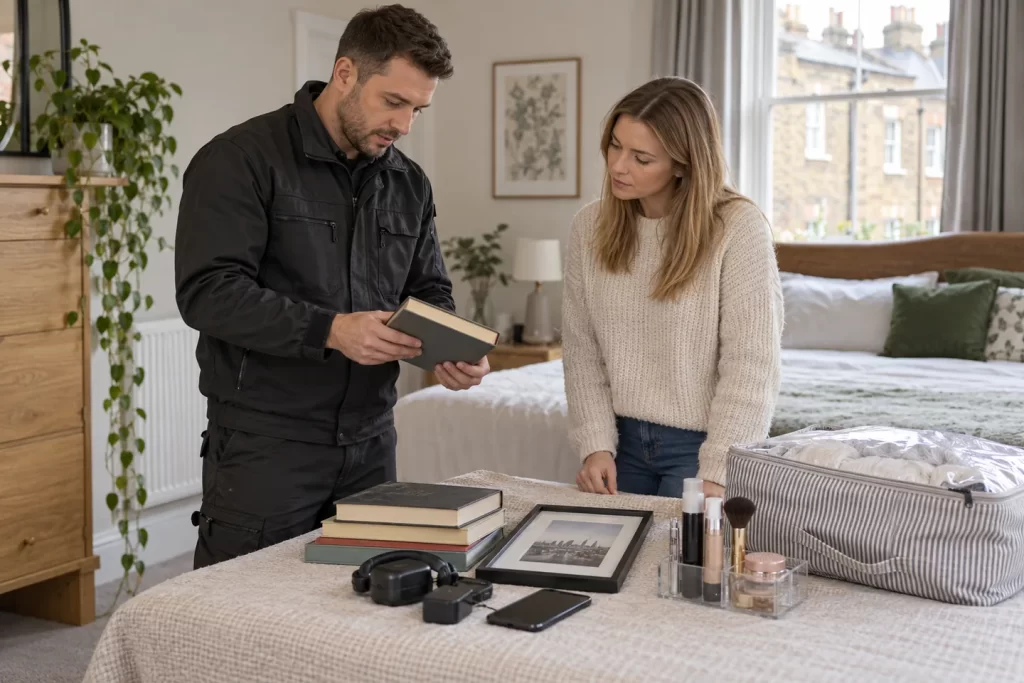
Professional room heat treatment raises a practical question for belongings that may be damaged by heat. Tell the provider about medicines, aerosols, candles, cosmetics, plants, artwork, musical instruments and electronics. This is a prompt for discussion, not an instruction to remove each category automatically. Suitability depends on the object and the provider's method. The EPA advises special handling of heat-sensitive items and notes that an alternative technique may be needed for them.
Agree how excluded belongings will be checked or treated before they leave the room. A heat-sensitive item may still harbour an insect, so quietly carrying it to a clear bedroom can defeat the containment plan. Ask the team to distinguish items safe to remove after inspection from items requiring sealed storage or another process. Keep medication and essential documents accessible for your own use, but plan their movement with the technician if they have been stored near suspected activity.
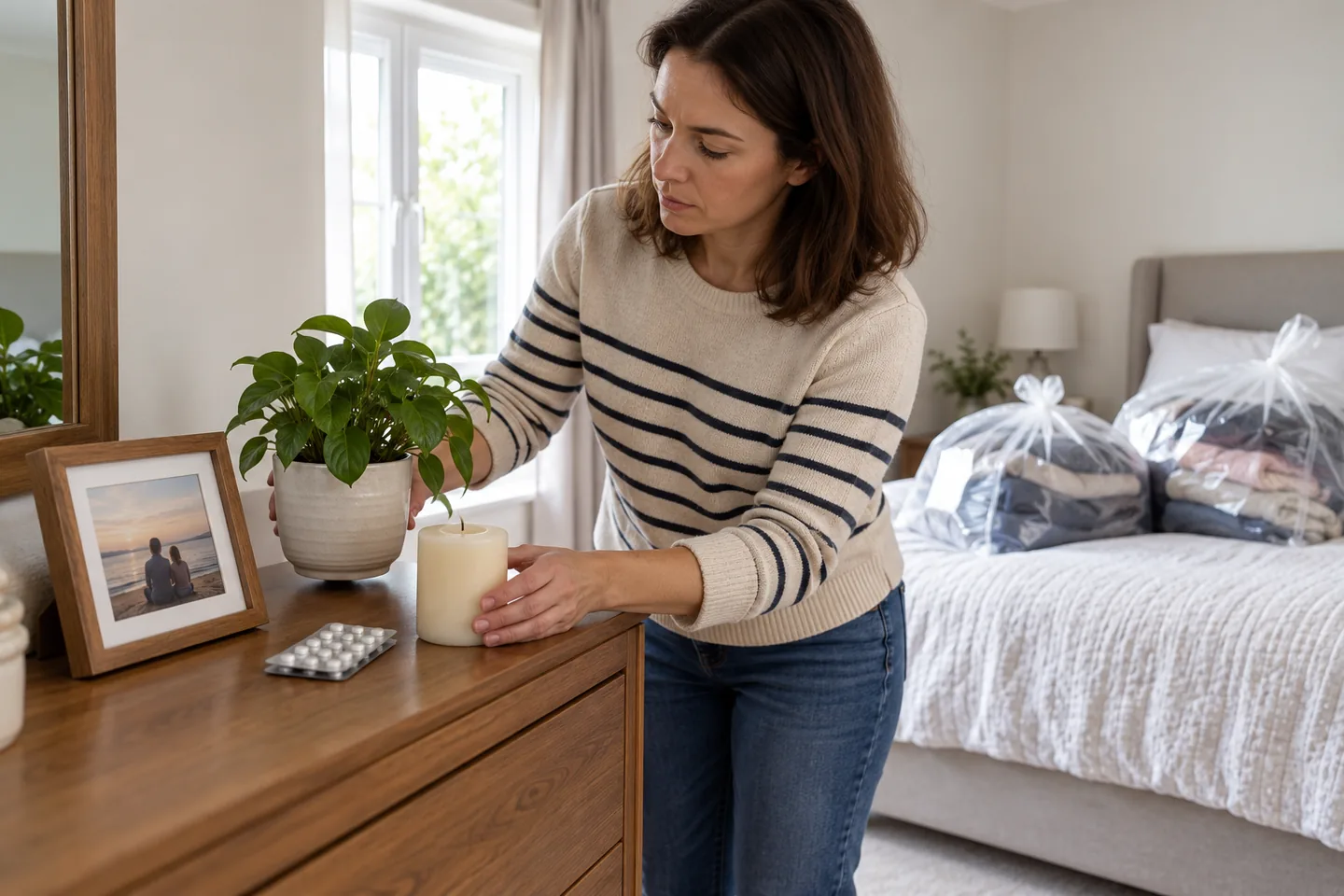
Do not rely on online lists that claim every phone, laptop or photo frame must be removed. Equally, do not assume that an object will tolerate the treatment because it looks sturdy. Make a short written list of uncertain items and ask for a decision before treatment day. Our article on heat monitoring explains why measuring conditions within the treated space matters, but the presence of sensors does not remove the need to assess vulnerable belongings.
Arrange people, pets and access for the day
Ask when everyone must leave the treatment area, how long they should expect to be away and who will confirm that it is ready to re-enter. Pets and their equipment need an agreed plan too. Do not leave an animal in a room being heated, and do not return bedding, carriers or toys from a suspect space without checking how they should be handled. If someone has mobility needs or must work from home, discuss that before the appointment so the access and absence plan is realistic.
Check the provider's requirements for electricity, keys, parking and a named contact who can make decisions during the visit. Technicians may need to clarify a hidden item or inaccessible piece of furniture. Give them a way to contact you promptly rather than assuming all choices can be deferred. If a landlord, managing agent or other resident controls access, confirm permission and the appointment time in advance. Avoid a last-minute situation in which a locked room becomes a cold, untreated gap in the proposed scope.
Ask how completion will be checked
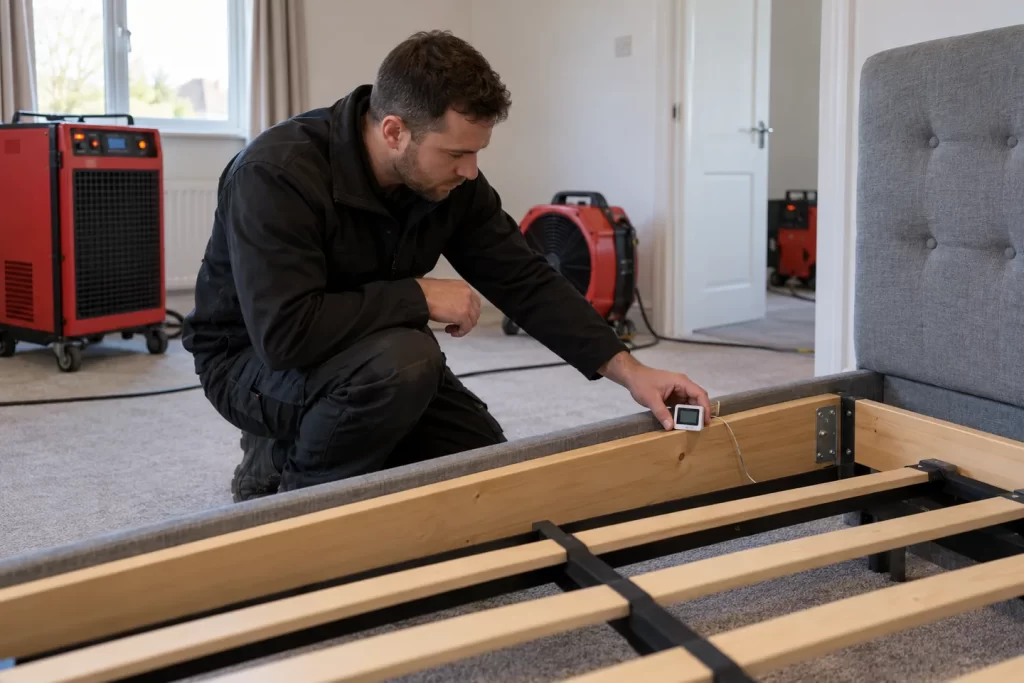
Preparing the room does not itself prove treatment success. Ask what temperatures the provider monitors, where sensors are placed, how long the process runs according to its protocol and how it deals with areas that heat slowly. The site describes its bed bug heat treatment service; a property-specific quotation should explain what that means for your bedroom. Do not assume the air near a heater represents conditions inside a dense bed frame or behind furniture.
Agree what will happen afterwards. Ask when furniture can be put back, how treated and untreated possessions should be reunited, and whether inspection or monitoring is recommended. Heat has no residual action, so reintroducing an untreated item remains a concern. The EPA specifically notes the need for practices that reduce reintroduction after heat treatment. Keep the technician's report and any monitoring instructions so later sightings can be judged against the work actually performed.
A final check before the team arrives
Read the provider's own checklist once more and compare it with the room, not just with what you remember doing. Confirm the agreed treatment boundary; leave access routes clear; label sealed textile bags; list belongings that need a heat-suitability decision; arrange the absence of people and pets; and make sure the team can reach you. If an instruction is unclear, ask before moving the item. Clear, restrained preparation gives the technicians a safer room to work in and gives you a better record of how each belonging was handled.
Leave a Reply
You must be logged in to post a comment.