
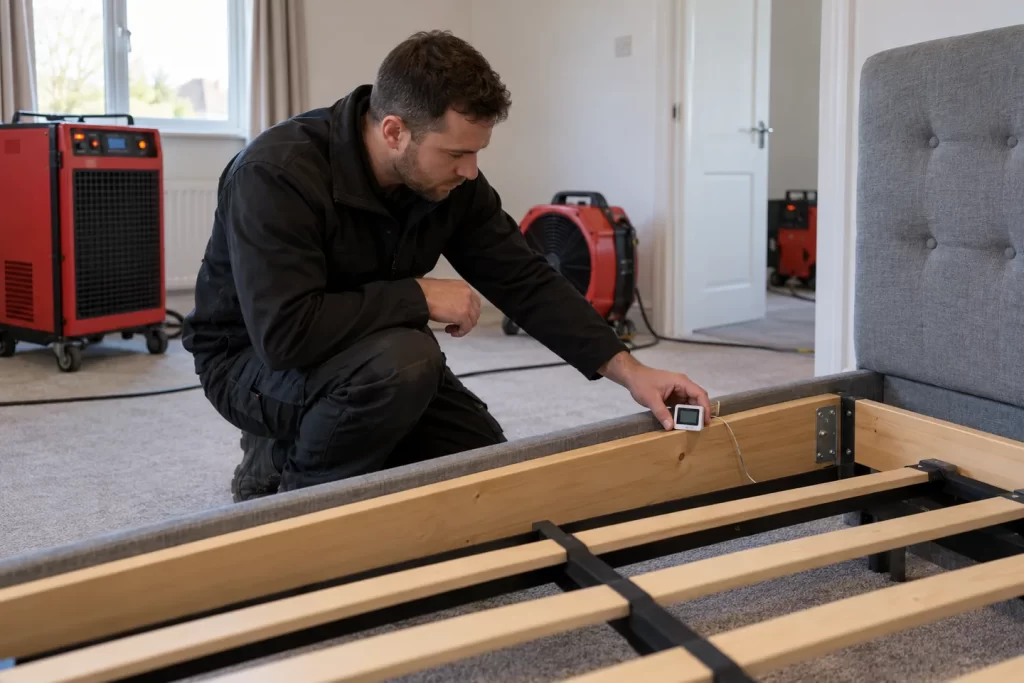
Professional bed bug heat treatment is more than making a room feel hot. The insects can hide in joints, folds and dense materials where the temperature may rise more slowly than the surrounding air. Monitoring gives a technician measurements from selected points during the job, helping them assess how heat is moving through the treatment area and whether adjustments are needed. It also gives the customer a more useful record than a heater setting or a single reading near the doorway.
No sensor can prove that every square centimetre of a property reached the same conditions. The value of monitoring lies in a sensible placement plan, readings over time and a technician who responds to what they show. The exact temperature and exposure target should come from the provider's validated procedure for its equipment and the treatment scope. The US Environmental Protection Agency describes a time-and-temperature relationship for heat treatment of infested areas and objects; a quick peak reading is not the same as sustained exposure.
Why room air and hiding places can differ
Warm air can circulate through an open room while a bed base, stacked fabric or tightly packed item remains cooler inside. A wall junction, furniture joint or area shielded from airflow may take longer to warm. That is why a thermometer beside the heater cannot stand in for measurements from likely hiding places. A technician needs to consider where bed bugs were found, how the room is furnished and what parts of the space are included in the job.
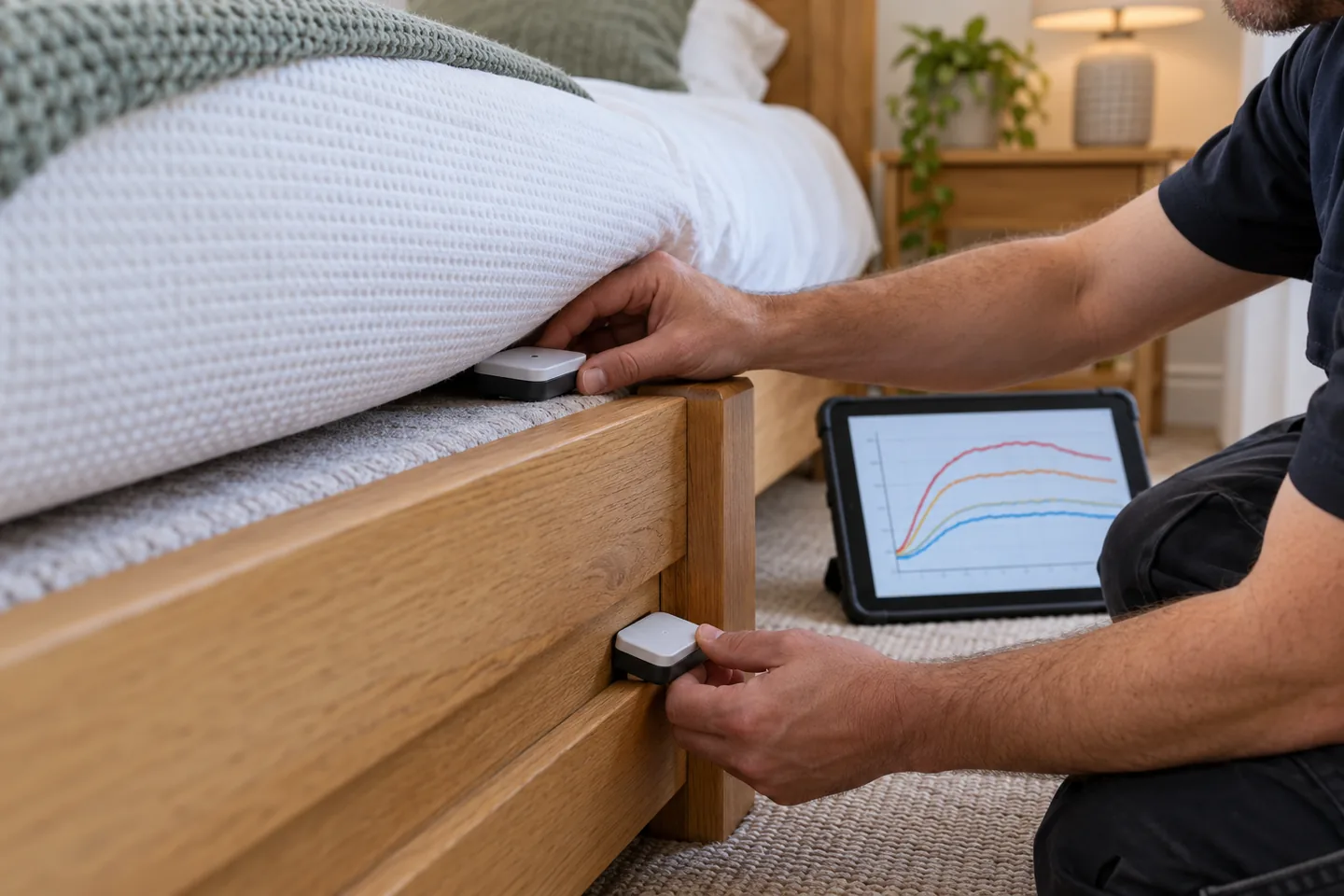
The provider may place probes in or near furniture, along edges and in other challenging locations. The exact positions are a professional judgement, not a fixed number of sensors that suits every home. Ask the team why each location is being measured and whether any dense or obstructed area falls outside the recorded points. Our guide to preparing a bedroom for heat treatment explains how access and clutter can affect the operation. Preparation improves the chance that technicians can monitor and adjust the treatment where it matters.
The room layout can change during a job. A heavy piece may be repositioned, a drawer opened or a fan redirected by the technician. A good monitoring plan accounts for those changes rather than treating sensor placement as a photograph taken at the start. Customers should follow the provider's instructions and stay out of the treatment area while work is under way; moving probes yourself would make the record harder to interpret.
What a temperature trace can show
A series of readings can show how long a monitored point took to warm, whether it remained below the provider's target for part of the job, and whether the temperature stayed in the intended range for the required period. The EPA notes that higher temperatures may require shorter exposure and gives an example of heat treatment for infested articles or areas. This does not turn its example into a prescription for a particular property. The equipment, sensor location, calibration and material being heated all affect what the readings mean.
Ask whether the provider records temperatures automatically or manually, how often readings are taken and what happens if a probe reports an unexpectedly low value. A late-warming point may lead the technician to extend exposure, alter airflow or reassess an obstruction. The important question is not simply whether a graph has a high line. It is whether the difficult points in the agreed treatment zone were measured for enough time under the company's procedure.
The site's heat monitoring service describes temperature measurement as part of professional heat work. When comparing quotations, ask how that applies to your home: which rooms are covered, how many difficult locations will be considered and what records will be provided afterwards. A clear scope is more useful than an unexplained claim that the room will be “fully heated”.
What sensors cannot establish on their own
A sensor reports the conditions at its own location. It cannot identify an insect, confirm that a different unmeasured cavity was warm, or say whether an excluded possession was separately treated. Even a well-recorded job can be undermined if a suspect item is carried out before heating and later returned untreated. The EPA warns that heat has no residual effect and that reintroduction needs to be considered. Treat the readings as evidence about the monitored treatment, not a guarantee against every future sighting.
Nor does a temperature trace replace an inspection. If the initial evidence does not establish bed bugs, an insecticide or heat job should not be chosen solely because symptoms or marks are worrying. A professional bed bug inspection should establish what was found and which areas require attention. Monitoring is then one part of delivering the chosen method, alongside preparation, safe equipment use and a plan for follow-up.
Customers should be cautious about interpreting a photograph of a single digital display. It might be the room air, a heater outlet or one probe among several. Without a location, timestamp and treatment protocol, the number has little practical meaning. Ask for an explanation of the record in ordinary language and the limitations the technician observed.
Cold areas call for a response, not concealment
If a probe shows slower heating in a dense bed frame or behind a large object, that is useful information. A technician can decide how to improve exposure within the limits of the treatment method and safety requirements. Do not assume that turning the equipment higher is automatically the right answer. Heat-sensitive belongings and building materials also need protection. The provider should balance adequate exposure with its equipment specifications and the property's conditions.
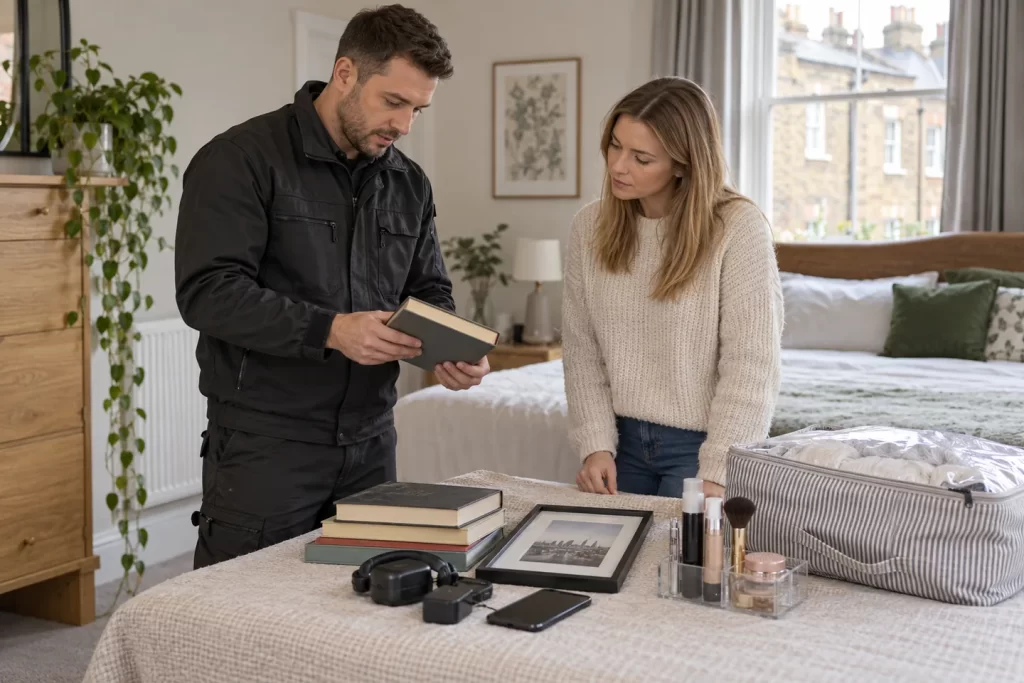
The team's report should record significant access limits, difficult areas and actions taken. If a cupboard remained locked or an item was deliberately excluded, you should know whether it was outside scope, handled separately or left for another decision. The article on belongings needing special attention sets out a simple way to track exclusions. That inventory and the temperature record should tell a consistent story about what did and did not receive heat.
If an area cannot be treated as planned, ask what alternative or follow-up the provider recommends. It is better to have a candid report about a limitation than an unqualified promise based on a few favourable readings. A service professional should be able to explain whether a proposed adjustment was actually made and documented.
Questions to ask before booking
Ask how the treatment boundary is decided and whether it includes adjacent resting places. Ask where temperature probes are normally placed in a room like yours and how placement changes for a divan bed, built-in furniture or tightly packed storage. Ask which time-and-temperature protocol the company follows, how it verifies instruments, and whether you will receive a dated record. Ask what the team does if a location warms slowly or access is restricted. Finally, ask how excluded belongings and later monitoring fit into the plan.
The answers need not expose trade secrets or produce a laboratory report. They should let you understand the operational checks being used in your property. A provider who can explain its measurements, decisions and exceptions gives you a way to assess the work after the equipment has gone. The bed bug heat treatment service is the starting point for discussing a property-specific scope and preparation instructions.
After the equipment is removed
Keep the treatment report with the earlier inspection notes. Check that the report identifies the treated rooms, notable exclusions, monitoring locations or summary readings, and any recommended follow-up. Ask when the room may be reoccupied and how to return stored belongings without mixing untreated items with treated ones. The EPA advises watching for signs after control work and using monitors where appropriate; heat does not create a lasting barrier against a new introduction.
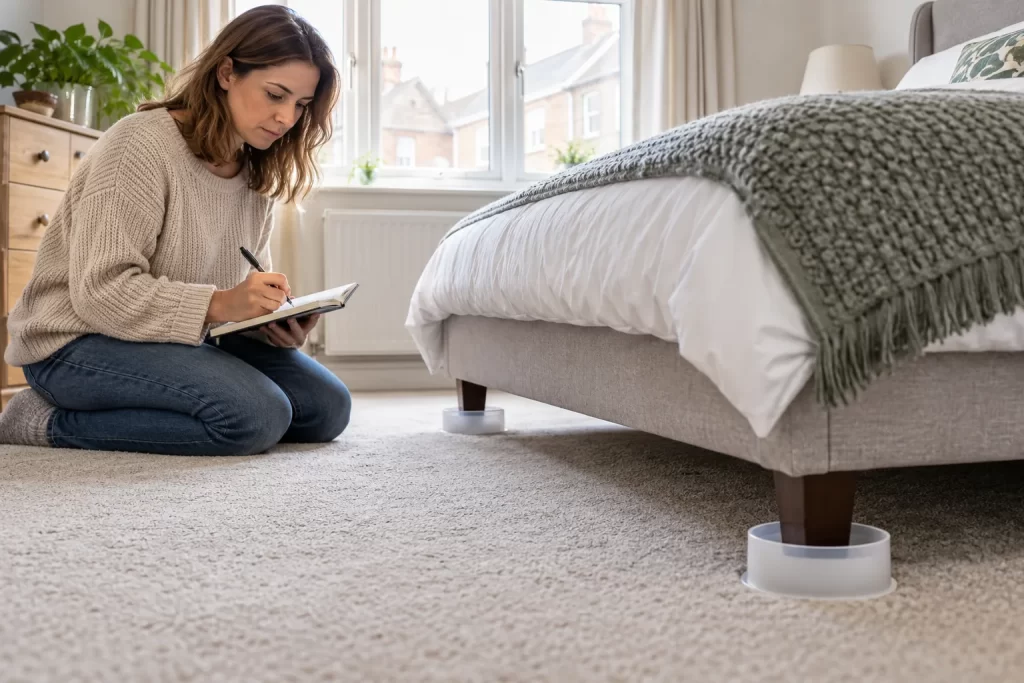
If a later insect is found, preserve it safely and record where and when it appeared. That evidence allows the provider to distinguish possible survival in a missed area from movement of an untreated belonging or a new introduction. One sighting does not explain the cause by itself. Temperature monitoring makes the original work more accountable, while subsequent evidence and inspection determine the next step.
Leave a Reply
You must be logged in to post a comment.