
A SHORT ACCURATE HISTORY CAN MAKE THE NEXT QUESTION CLEAR

Pest Control Twickenham

You may already have notes and messages about a concern without knowing which details matter now. Organise the evidence history so an assessment can address the current question rather than repeat an unclear story.

  • Relevant dates retained without an invented timeline
  • Earlier findings separated from informal messages
  • Current assessment question made explicit
Discuss the evidence history in Twickenham020 3404 4091 →
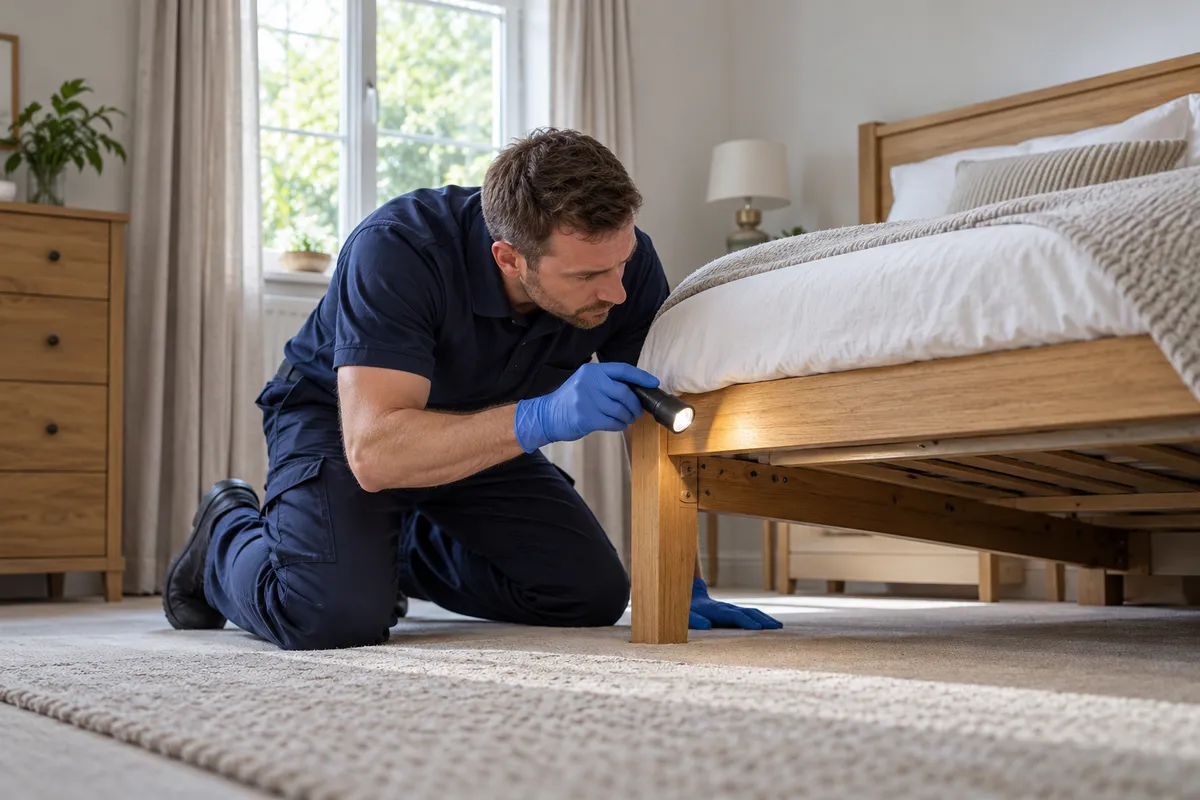
Illustrative technician inspecting the joints and underside of a bed frame with a flashlight
Illustrative image — not a customer case study

Start with the current reason for making contact

Explain what you need help with now: an unidentified sign, repeated evidence, uncertainty about extent or a question after earlier work. Give the current observation before describing the entire history. This helps the team understand why an appointment is being considered and which unanswered question should guide the proposed next step.

For Twickenham enquiries, describe the actual premises and available access. Do not infer a pest from the district or assume that a long history means a larger treatment is needed. The useful account connects relevant evidence to the current concern without presenting every past message as a fresh observation.

Keep dates as accurate as the available record allows

Use the dates you actually know and explain approximate periods where necessary. Do not create exact timing merely to make the record look complete. A note written later may describe an earlier event; distinguish the date of observation from the date somebody recorded it. Keep locations with the evidence so the sequence remains understandable.

If several contacts provided information, state which details are first-hand and which were passed on. Repeated messages about one event should not become multiple sightings. Existing photographs need their original context where available. A clear limitation is preferable to a detailed timeline assembled from assumptions that the team cannot verify.

Separate findings from suggestions and invoices

An assessed conclusion, an informal comment and a payment record answer different questions. Keep the actual finding where available, including any uncertainty or access limitation. A service name on an invoice does not independently identify the pest or establish what every room contained. Earlier suggestions should remain suggestions unless they were assessed and accepted as part of a service.

The mouse control route and bed bug service information describe different concerns. Use them to frame relevant questions rather than retrofit the history to a preferred diagnosis. Explain earlier treatment with its completed boundary, not simply a general statement that pest work occurred.

Use the history to define a practical assessment

Ask what information is relevant to the next appointment and which question it can address. You do not need to supply unrelated private material to make a useful enquiry. Clarify access, authority and intended coverage. An assessment should follow the current evidence and unresolved question rather than assume a standard repeat service because records are extensive.

Use the contact route to discuss the next step. After attendance, retain the current findings and completed scope as the new reference point. Later observations can then be added with their dates and locations, preserving useful history without continuing to book from a suspicion that a clearer assessment has superseded.

STARTING RATES · CONFIRM THE FINAL QUOTATION

Confirm the service stage before interpreting the cost

Inspection starts from £62, common rodent and insect services from £184, bed bug control from £204 and specialist heat from £504. Confirm scope, preparation, visits, VAT and extras. The starting-rate information does not price a service from the length of a record or establish that every earlier concern requires repeat treatment.

InspectionFrom £62
Bed bug controlFrom £204
Rodent controlFrom £184
Specialist heatFrom £504

Twickenham appointment details and nearby routes

Give the property postcode and contact able to provide entry and relevant records. Confirm attendance and the proposed assessment directly. Nearby area pages provide enquiry routes without a promise of identical histories, access conditions or booking times.

LOCAL ANSWERS

A useful enquiry history has a clear purpose

Current question

State what needs to be understood now. An extensive history is easier to use when the team knows the assessment question it is meant to support.

Evidence status

Distinguish observations, assessed findings and suggestions. Records should not gain certainty just because the same service name appears in several messages.

Known limitation

Explain missing dates, absent evidence or unexamined spaces. Honest gaps preserve the meaning of the record better than a polished sequence built from guesses.

Twickenham evidence-history questions

Do I need a complete timeline before enquiring?

No. Explain the current concern and the dates you know. State gaps or approximate periods honestly rather than delay contact or invent detail to complete the account.

Should every old message be counted as a new observation?

No. Several messages may describe one event. Keep retellings separate from independent sightings so assessment uses the evidence rather than the volume of correspondence.

Can an invoice replace the original assessment finding?

It may identify a service but not the evidence, coverage or certainty of a diagnosis. Provide actual findings where available and explain what the payment record cannot establish.

What private information should I include?

Share relevant evidence, practical access and authority details with permission. Unrelated personal records do not need to be circulated simply to make an enquiry history look comprehensive.

Does a long history require a larger treatment scope?

Not by itself. The proposed service should follow current evidence, extent and access rather than the number of past notes, messages or earlier booking documents.

How should I update the record after assessment?

Keep the current findings and completed coverage with their date. Add later observations by location while preserving useful history and clearly distinguishing superseded suspicions from assessed conclusions.

Make the record support the present decision

Call about Twickenham pest control with the current question and the relevant evidence history. The team can discuss a practical assessment without requiring a perfect timeline or treating every earlier message as a confirmed new concern.

Explain the current question and useful history020 3404 4091 →

Local design pilot. Booking availability and final service scope require confirmation.

☎