
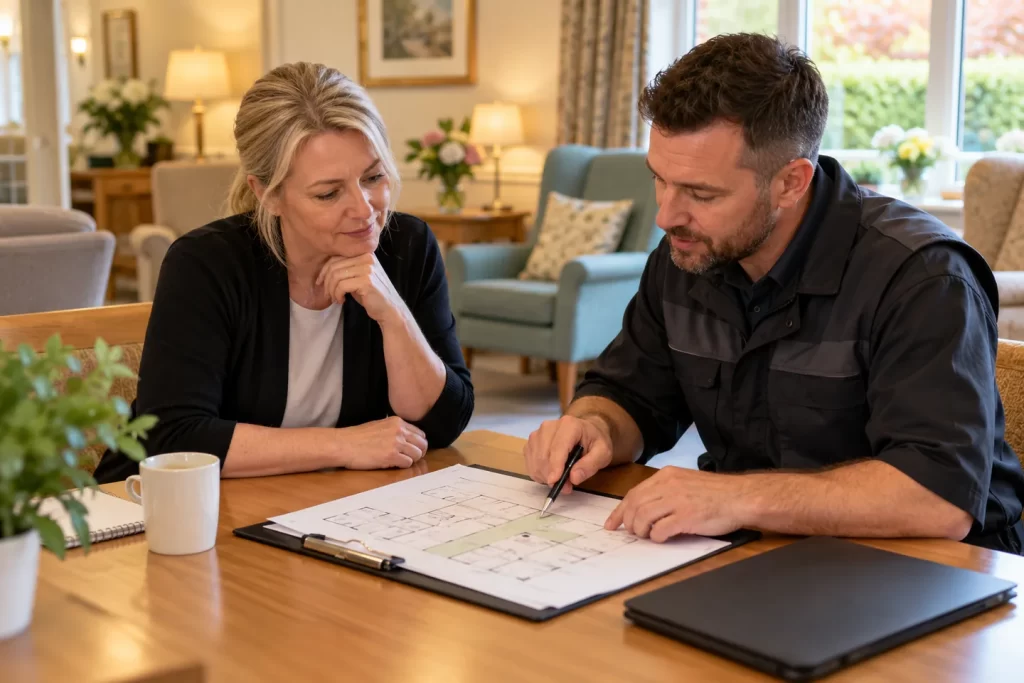
A report of possible bed bugs in a care home needs a calm, organised response. The first priorities are to confirm what has been found, protect residents' dignity, arrange a professional inspection and make a practical plan for the room and belongings. Bed bugs are not a sign that a resident or care setting is unclean. They can arrive in luggage, clothing, furniture or visitors' belongings, and a report should be handled without blame or alarm.
Care teams also need to maintain ordinary routines and support the resident while the issue is assessed. A sudden room move or removal of bedding can be distressing and may spread insects if done without a plan. Involve the manager, the person responsible for housekeeping or infection prevention, the resident and their representative as appropriate, and a qualified pest professional. The care home should follow its own policies and applicable guidance for consent, privacy, safe work and resident support.
Confirm the evidence before taking broad action
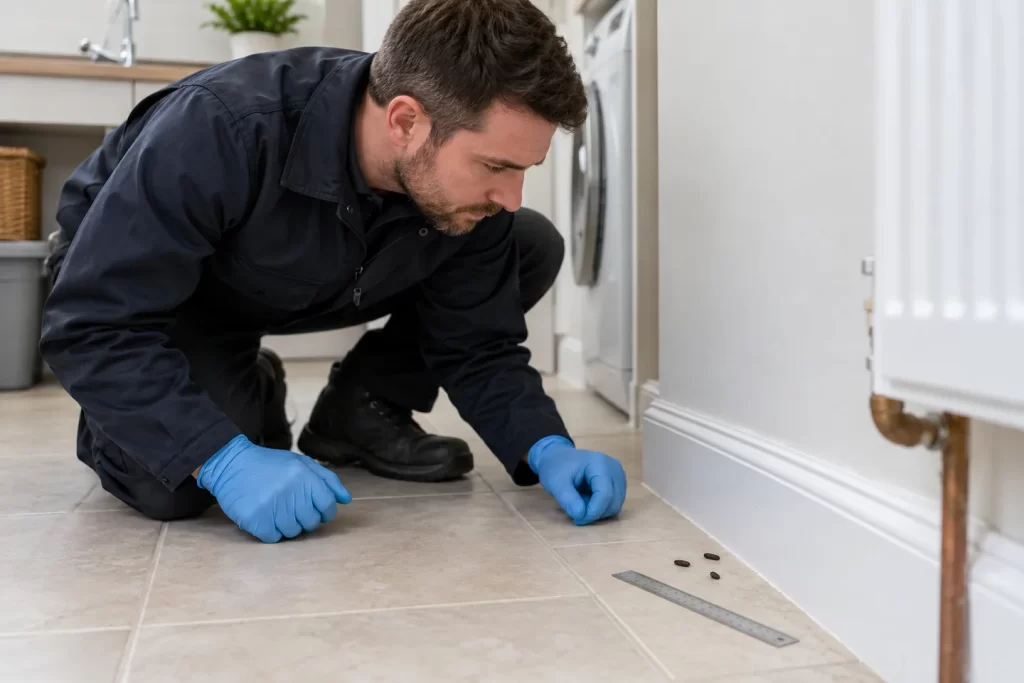
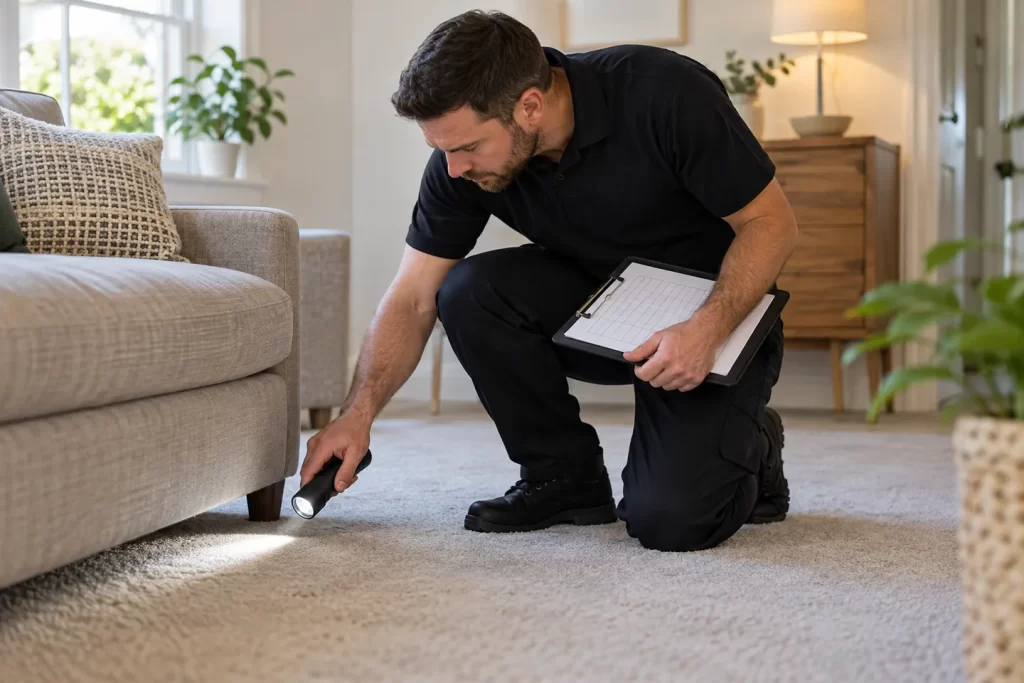
Record the report promptly. Ask what was seen, where and when, and whether a specimen or clear photograph is available. A live insect, cast skin or characteristic spotting in a bed area can be more informative than a description of itchy marks. Skin reactions vary and may have many causes, so they do not confirm bed bugs. Have a trained professional identify the evidence and inspect the room rather than relying on symptoms alone.
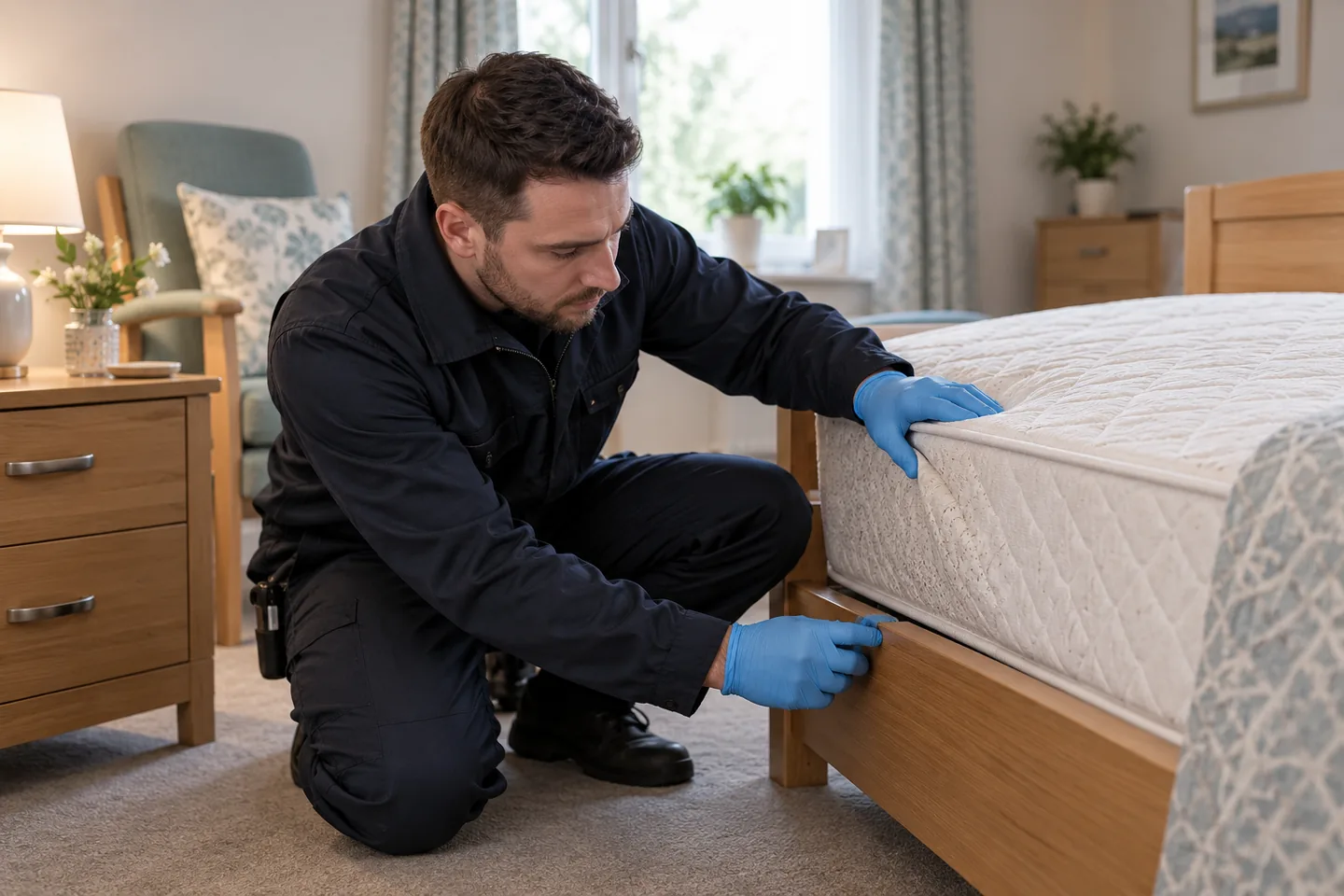
Keep a factual log with the date, location and person who reported the finding. If a specimen is available, place it in a sealed container and label where it was collected. Avoid moving the item around the home. The professional inspection should include the bed and nearby furniture, and may extend to other rooms if the evidence indicates a connection. A professional bed bug inspection helps define the affected area before treatment is planned.
If the evidence is uncertain, say so. The record can distinguish a confirmed insect from an unverified report, and note any follow-up inspection or monitoring needed. Clear language reassures staff and residents that the home is responding while avoiding an unsupported conclusion about how the insect arrived.
Put the resident at the centre of planning
Explain what will happen in a way the resident can understand. Ask about preferences, mobility, usual routines, communication needs, cultural considerations and any medical or sensory concerns relevant to the inspection or treatment. A move to another room should not be automatic; discuss the least disruptive option with the resident and their representative, while considering professional advice and the person's care needs.
Maintain privacy. Staff should share details only with people who need them to arrange inspection, care and treatment. Avoid naming the resident in general messages or describing the issue in public areas. Residents in nearby rooms may need access instructions, but they do not need personal information about someone else. A discreet approach reduces stigma and makes prompt reporting more likely.
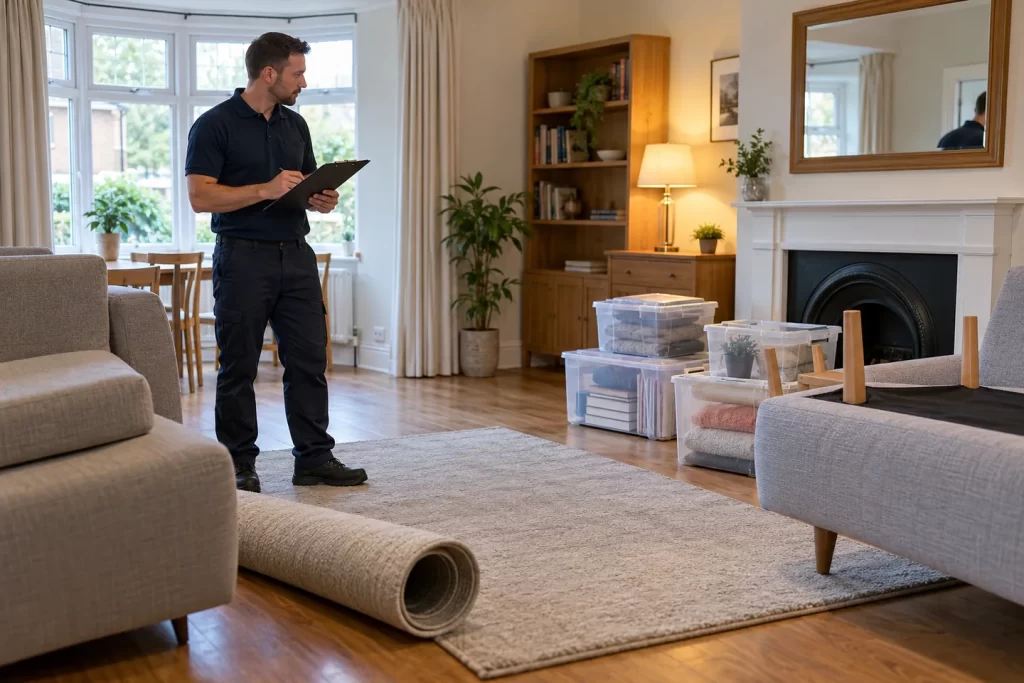
Consider how preparation affects daily living. Clothing, mobility aids, bedding, medicines and essential personal items should not be removed or treated without a clear plan. The provider should identify which belongings can remain, which need separate handling and how residents can access necessities safely. Never place medicines, medical devices or mobility equipment into a heat-treatment area without explicit professional guidance.
Coordinate staff roles and access
Assign a named lead to communicate with the pest professional and keep the action log. The lead can confirm room access, share the inspection findings, arrange staff cover and relay preparation instructions. Housekeeping staff should receive clear directions about linen, vacuuming and waste. Do not ask staff to bag or transport suspected items until the professional has provided a safe method.
Tell the pest professional about the care environment before the visit. Explain room layouts, access restrictions, required equipment, fire-safety procedures and any resident needs that could affect timing. If a resident cannot leave a room easily, agree how the work will be planned around them. The professional can advise on treatment scope, but the care home remains responsible for coordinating residents' care and access.
The Care Quality Commission's infection-prevention guidance for care homes emphasises clear responsibilities and safe management of the care environment. Bed bugs are a pest-management issue rather than an infectious disease, but the home's relevant housekeeping, risk-assessment and resident-support processes still matter. Follow the home's own policies and consult the appropriate internal lead where movement of linen or shared equipment could affect care routines.
Decide treatment from the inspection
Ask the pest professional to explain which rooms and furniture are included, what method is recommended and why it fits the findings. Heat treatment, insecticide treatment or a combination may be considered depending on the layout, materials, access, residents' needs and treatment scope. A care home should not select a method solely because it sounds fast or because a product is familiar.
For heat, establish what must be removed, how the provider monitors difficult locations and when residents may return. Heat has no residual effect, so any excluded belongings or later introductions need separate attention. The site's heat monitoring service describes measurement during heat work. Ask for a record that identifies the rooms treated, any exclusions and the instructions for reoccupation.
For insecticide, ask which products are planned, where they will be applied, and what re-entry and ventilation instructions apply. Staff should follow the product label and the provider's directions; they should not add their own sprays or cleaners unless authorised. If a resident has a health concern or sensitivity, raise it with the provider before treatment and obtain appropriate clinical advice where needed.
The care home's commercial heat treatment service is a starting point for a discussion about a property-specific plan. Ask whether the quote includes inspection, out-of-hours work, resident-room coordination, treatment records and follow-up. Confirm responsibilities in writing so that staff know who will move items, who will monitor access and who will communicate the outcome.
Handle linen and personal belongings carefully
Follow the professional's instructions for bedding, clothing and soft furnishings. Keep items from the affected room contained during transport, and do not place them on another resident's bed or in a shared laundry area without an agreed process. The provider may recommend specific laundering or separate treatment for particular items, but care labels and the method's limitations need to be considered.
Use a written inventory for belongings removed from the room. Mark whether each item was treated, remains sealed, needs another method or was excluded. This prevents a box from being returned without anyone knowing its status. Separate treated items from untreated items until the professional says they can be brought back. Do not discard a resident's property without consent and the care home's normal procedures.
If a chair, mattress or other item is considered for disposal, ask how it should be contained and labelled. Moving it through corridors can spread insects, and leaving it in a communal area may allow someone else to take it. Follow local waste arrangements and the provider's guidance.
Communicate with families and other residents
Use a prepared, factual message if other residents or families need an update. Explain that a report is being assessed, what practical steps are underway and who can answer questions. Do not imply that every room is affected or that a particular resident brought the insects into the home. Share re-entry instructions and preparation requirements only with people who need them.
If evidence is found in more than one room, the provider can help determine whether inspections should be extended. Maintain a record of each room checked, findings, access limitations and any treatment carried out. If a room could not be inspected, note a plan to return rather than treating lack of access as a negative finding.
Follow up and review the response
After treatment, obtain a written handover that states what was done, which areas were excluded, how monitoring was handled and what follow-up is recommended. Keep the report with the home's property and incident records in line with its policies. Check monitors or agreed inspection points at the intervals recommended by the professional. Do not repeatedly inspect or disturb the room in a way that disrupts care or moves belongings unnecessarily.
If a later insect is found, contain it for identification, record the location and contact the provider. It might indicate activity in a missed area, an untreated belonging or a new introduction. One sighting cannot explain the cause by itself. The provider should assess it against the initial findings and treatment record, then recommend whether inspection or further work is appropriate.
Review what the team learned: Was the report route clear? Did staff know whom to contact? Were preparation and resident support workable? Did the inspection records identify rooms and exclusions? Adjust the home's process so a future report can be handled promptly and discreetly. The aim is not to promise that a pest will never enter, but to make identification, coordination and support clear.
Bed bugs in a care home call for evidence-led pest management and thoughtful resident support. Confirm the finding, protect privacy, coordinate the inspection and agree a treatment plan that fits the property and the people living in it. A named lead, written records and a practical follow-up plan help staff respond consistently while preserving residents' dignity and routines.
Leave a Reply
You must be logged in to post a comment.