
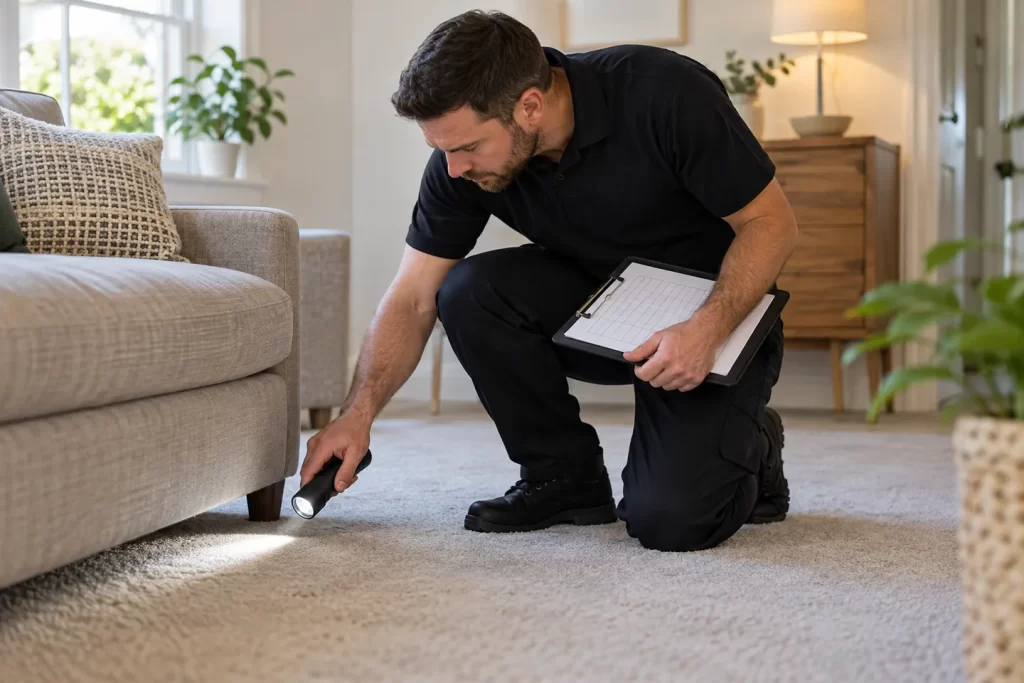
Seeing a flea after treatment can be frustrating, but it does not automatically mean that the work failed. Fleas develop through egg, larval, pupal and adult stages. The pupal stage is enclosed within a cocoon that can be protected by carpet fibres, dust or other debris. Adults may emerge from these cocoons after the initial inspection or treatment, particularly when movement and warmth signal that a host is nearby.
The timing and number of later sightings matter, but they should be interpreted alongside the treatment record and the source of the infestation. A new adult may have emerged from a protected pupa, come from an untreated item or arrived with an animal. One flea alone cannot identify which explanation applies. Record what you find and ask the professional when a follow-up inspection is appropriate.
Why the pupal stage is difficult to address
Flea larvae develop in protected places where organic debris and suitable conditions are available. They may feed on material such as dried blood and other debris left by adult fleas. As they develop, larvae form cocoons that can blend into carpet fibres, upholstery or cracks. The cocoon helps protect the developing flea from some environmental conditions and can make the stage less accessible to cleaning or a surface treatment.
An adult can remain within the cocoon until conditions encourage emergence. Vibrations, warmth and carbon dioxide associated with a host can be signals that an animal or person is nearby. This explains why activity may become noticeable when a previously quiet room is used again, or after cleaning and treatment disturb the environment. It does not mean that every pupa will emerge at the same time.
The precise development time varies with temperature, humidity, species and the conditions in the home. Avoid relying on a single internet timetable as a guarantee. The provider should give you an observation and follow-up plan based on the product or method used, the infestation evidence and the property. The flea treatment service is a starting point for discussing a property-specific plan.
What treatment can and cannot tell you
Different flea control methods affect different stages. A professional environmental treatment may target adult fleas and developing stages, but a pupa protected within a cocoon may be less exposed than an adult on an open surface. The treatment product label and the technician's instructions determine how it should be applied and whether repeat work is planned. Do not assume that one application acts on every stage equally.
Vacuuming can help by removing debris, disturbing carpet fibres and encouraging some adults to emerge where a treatment or monitor can address them. Follow the pest professional's directions about when to vacuum, because cleaning too soon may remove a product or interfere with the planned process. If you are told to vacuum later, ask how often and which rooms to prioritise. Empty the vacuum into a sealed bag and dispose of it outside.
If an insect growth regulator or other pesticide is part of the plan, ask which stages it affects and what the label says about re-entry, ventilation and cleaning. Never apply additional product simply because one flea appears. Reapplication too soon can expose occupants without improving control. Use pet treatments only on animals and household treatments only on the surfaces and locations named on their labels.
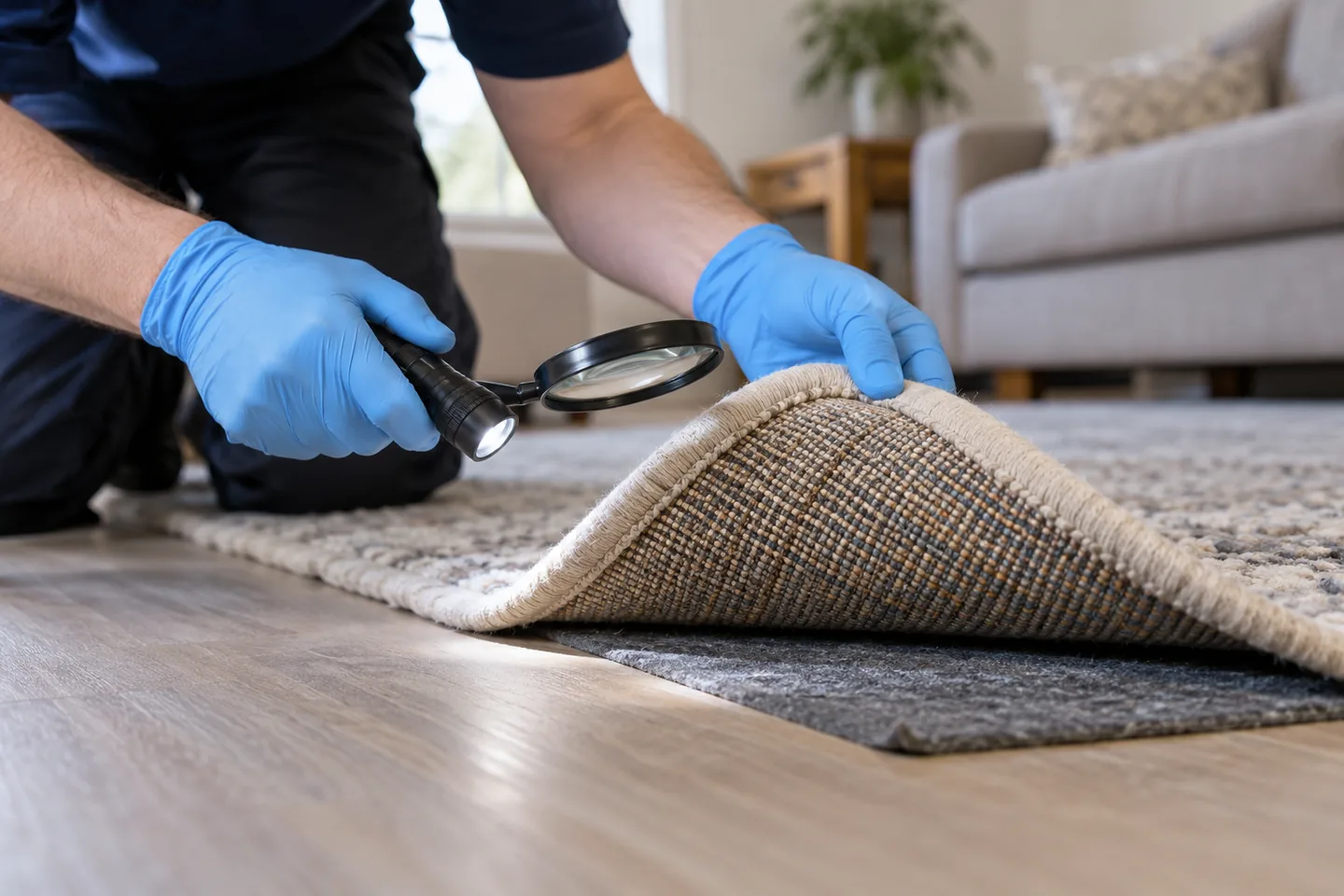
How to interpret a flea after treatment
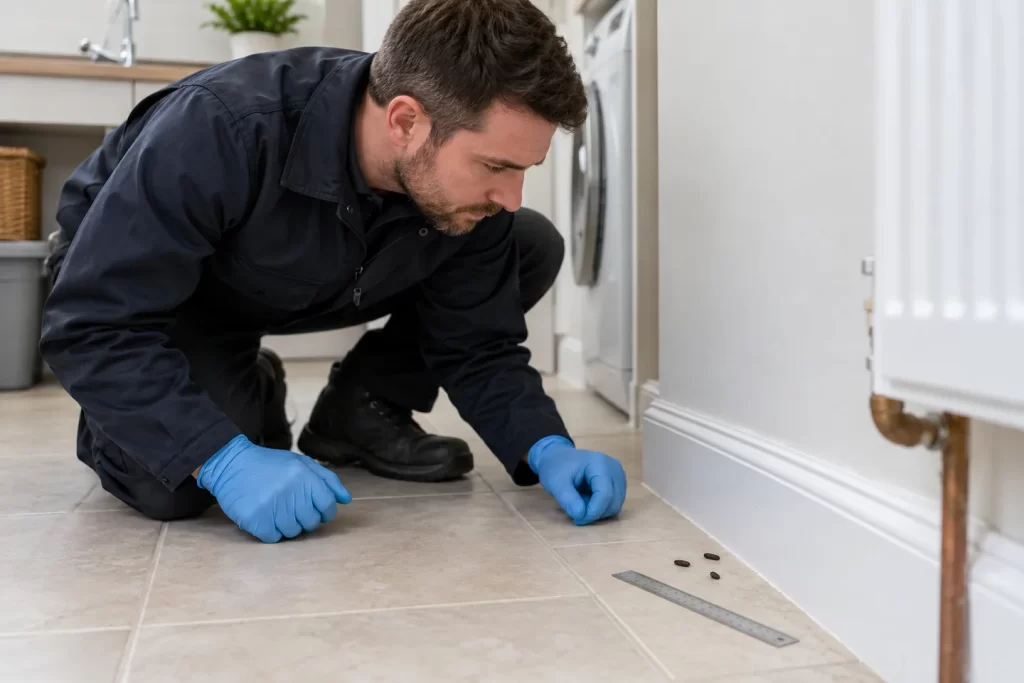
Note the date, room and exact location of each sighting. Record whether the flea was moving or captured, whether any pets or visitors with animals were present, and whether the room had recently been vacuumed or occupied. If safe, collect the insect in a sealed container or take a sharp photo. The location can help distinguish a concentrated emergence from activity that appears in unrelated areas.
A small number of adults in the early period after treatment may be consistent with emergence from protected pupae, depending on the service and timeline. A growing number of fleas, repeated sightings well beyond the expected observation period or activity in a different room should prompt a discussion with the provider. Do not count every itch or skin mark as a flea sighting; physical evidence matters.
Ask the company what it considers normal after the treatment it performed. The answer should refer to the product or method, the timing, the affected area and whether follow-up was included. If the original report identified an animal source, verify that the animal received appropriate veterinary flea care. Environmental treatment alone may not solve the problem if a host continues to bring fleas indoors.
Check whether the source is still present
If there are pets, speak with a veterinary professional about an appropriate flea control programme. Do not use a household insecticide on an animal, or a veterinary product on furnishings. Follow the product instructions carefully and treat any other animals in the home only under suitable veterinary guidance. Cleaning pet bedding and resting areas may be part of the plan, subject to care labels and the provider's advice.
In a pet-free home, consider whether fleas came from previous occupants, visiting animals, wildlife or second-hand furnishings. A recently acquired chair or rug deserves a check if sightings cluster around it. If there is a possible nest or wildlife source, do not disturb it; ask a qualified professional to assess the area. The guide to fleas in a home without pets covers likely routes and what to record.
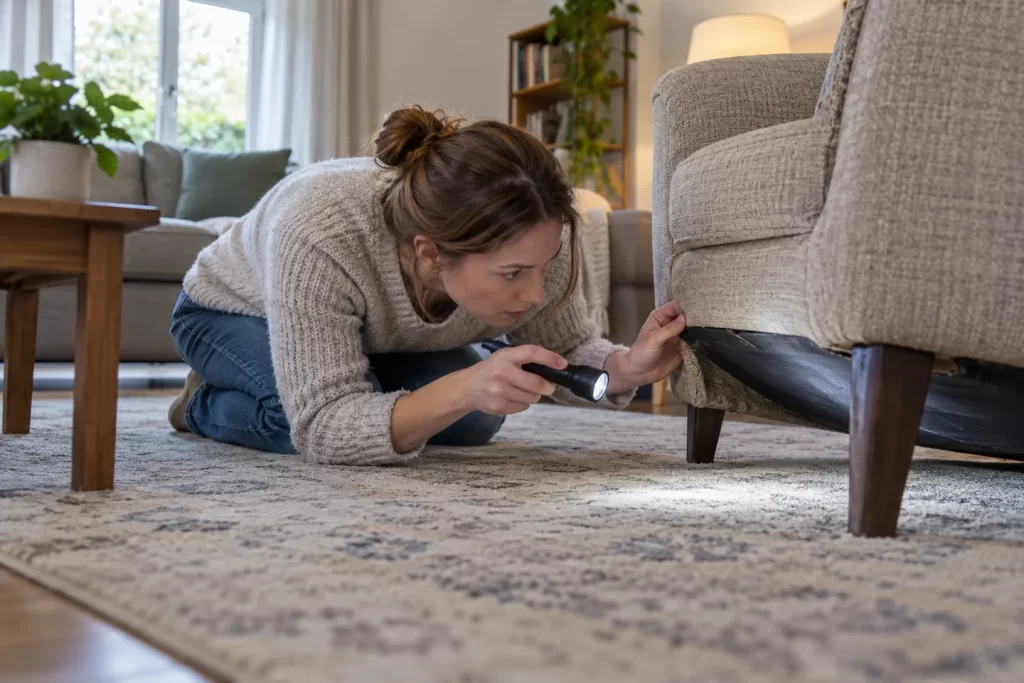
Inspect carpets, rugs, upholstery seams, gaps beneath furniture and places where an animal may have rested. Use a simple room map to record captures. Traps may support monitoring but cannot prove that no fleas remain when empty. A negative trap should be interpreted as one piece of information alongside cleaning, sightings and professional inspection.
Follow the cleaning and monitoring plan
Vacuum the areas identified by the provider, including carpet edges, under cushions and beneath furniture. Empty the machine promptly into a sealed bag and remove it from the home. Wash washable bedding or covers according to care labels. Do not use a steam cleaner or portable heater as a substitute for the agreed treatment; heat can damage materials and may not reach the relevant stages.
Keep a dated log of cleaning, sightings and monitor checks. This makes it easier to see whether activity is declining, remaining in one area or spreading. Note any change in room use, furniture movement or animal visits. If multiple people live in the property, ask them to report physical sightings with a location rather than relying on general descriptions such as “still bites”.
Stay within the professional's re-entry and cleaning instructions. If the provider asks you to wait before vacuuming, do so. If a return visit is planned, preserve evidence and leave monitors in their agreed positions. Do not move infested furniture into another room or communal corridor while activity is being assessed.
When to request a follow-up
Contact the provider if you find fleas repeatedly, the number appears to increase, the agreed observation period has passed without improvement or a new source is suspected. Share your log and specimen. Ask whether the findings are consistent with pupal emergence, whether an untreated area or item needs inspection, and what follow-up is included. The provider may recommend monitoring, a targeted visit or a revised plan after identifying the source.
The flea heat treatment service may be relevant for some situations, but suitability depends on the property, contents and source. Ask what stages the method is intended to address, which areas are included and how conditions are monitored. Heat or pesticide treatment should not be selected from a single post-treatment sighting without considering the evidence and the existing plan.
If you hire a new provider, share the previous treatment dates, products or method if known, and any safety instructions. This helps prevent duplicate applications and allows the new professional to assess what has already happened. Keep records of any product label or treatment report, especially if residents or pets need specific precautions.
Give the life cycle time, but keep evidence
Flea pupae can make control feel slower because adults may emerge after the main treatment has ended. A later flea is a reason to record and assess, not a reason to assume either complete failure or guaranteed success. Follow the cleaning plan, keep pets under appropriate veterinary care and monitor the locations where activity was confirmed.
The most useful question is whether new sightings fit the expected emergence period and whether their number is declining under the agreed plan. If not, ask the professional to inspect again and look for a continuing host or untreated source. Consistent records turn a worrying isolated flea into evidence that can guide a proportionate next step.
Leave a Reply
You must be logged in to post a comment.