

People comparing bed bug treatment often want to know which method works best. There is no universal answer. The right plan depends on what the inspection found, the size and layout of the affected area, which belongings can be accessed, material sensitivities, safety requirements and whether follow-up is available. Professional heat and insecticide treatments work in different ways, so a quote should explain how the selected method fits the evidence in your property.
The US Environmental Protection Agency recommends an integrated approach that combines inspection, monitoring, preparation and appropriate control methods. Its guidance does not support choosing a product or technique from a slogan alone. Ask the pest professional to describe the treatment boundary, the preparation required and how it will judge progress. A clear explanation is more useful than a promise that any single method will solve every case.
Establish what is being treated first
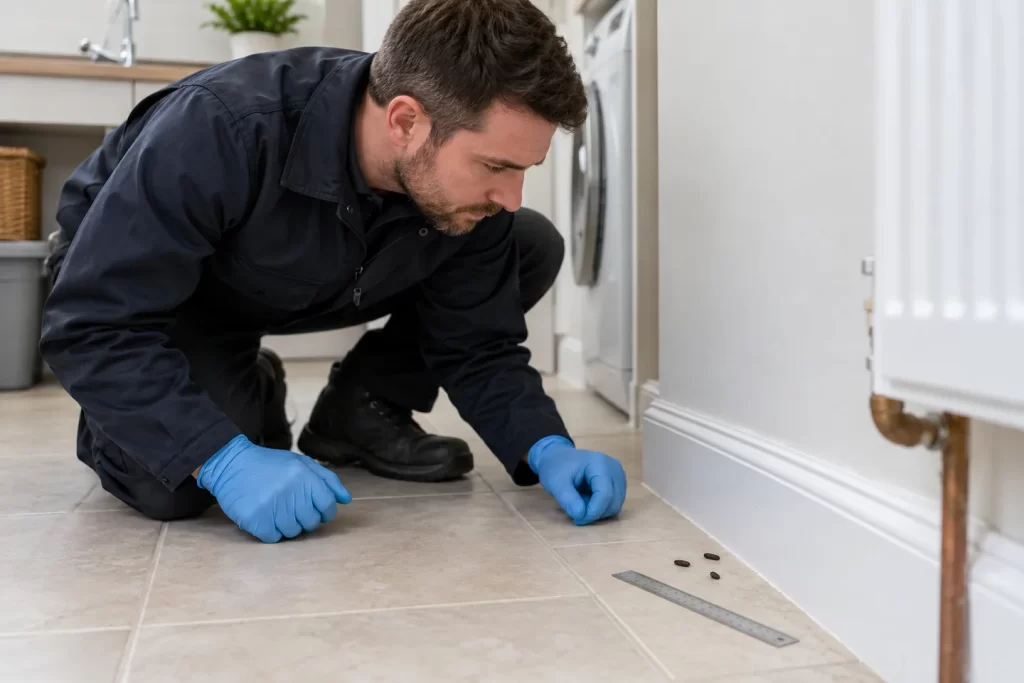
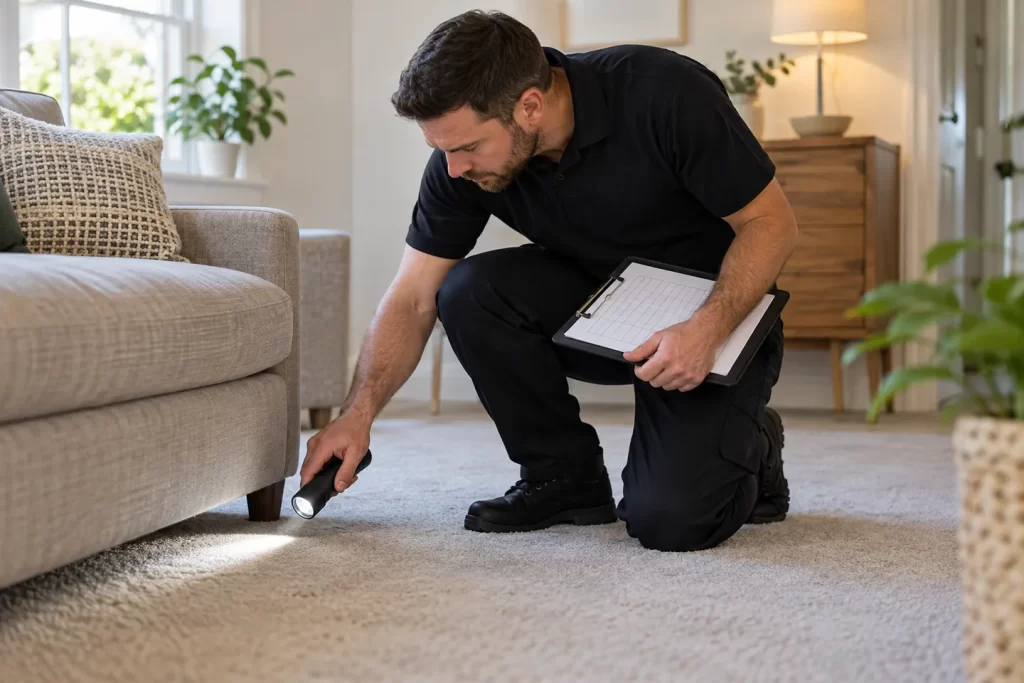
Before comparing methods, establish that bed bugs are present. Skin marks, anxiety about travel or a few unexplained specks cannot confirm an infestation by themselves. A trained inspection looks for physical evidence and records where it was found. Ask whether the inspection includes the bed, nearby furniture, seating and other rooms suggested by the evidence. If an item cannot be checked, the report should say so.
The scope matters because estimates based on different rooms or preparation assumptions cannot be compared fairly. One company may include adjacent furniture, while another may quote only for a single bedroom. One may ask for drawers to be emptied; another may plan to handle them as part of the service. Get the rooms and possessions in writing, including anything excluded or treated separately. A professional bed bug inspection should inform this decision rather than symptoms alone.
Ask what the recommendation is based on. A professional should be able to explain where the evidence was found, what parts of the property may be connected and why a proposed method suits those conditions. If the diagnosis is uncertain, ask whether additional monitoring or inspection is appropriate before paying for a treatment programme.
How professional heat treatment is used
Heat treatment uses specialist equipment and a planned period of elevated temperature in the agreed area. Technicians manage airflow and measure conditions at selected points, including locations that may warm slowly. The method can address multiple accessible harbourages in a room during the same operation, but the result depends on access, preparation, material tolerance and the provider's procedure. Dense objects, closed compartments and obstructed areas need particular attention.
Heat has no residual effect after the work. It does not protect a room against an insect brought in later, and a sensor measures only the location where it sits. Ask which rooms and furniture are included, how the team will monitor challenging points, what items must be removed and what the handover record will contain. The guide to temperature monitoring during heat treatment explains why a room-air reading does not represent every hidden location.
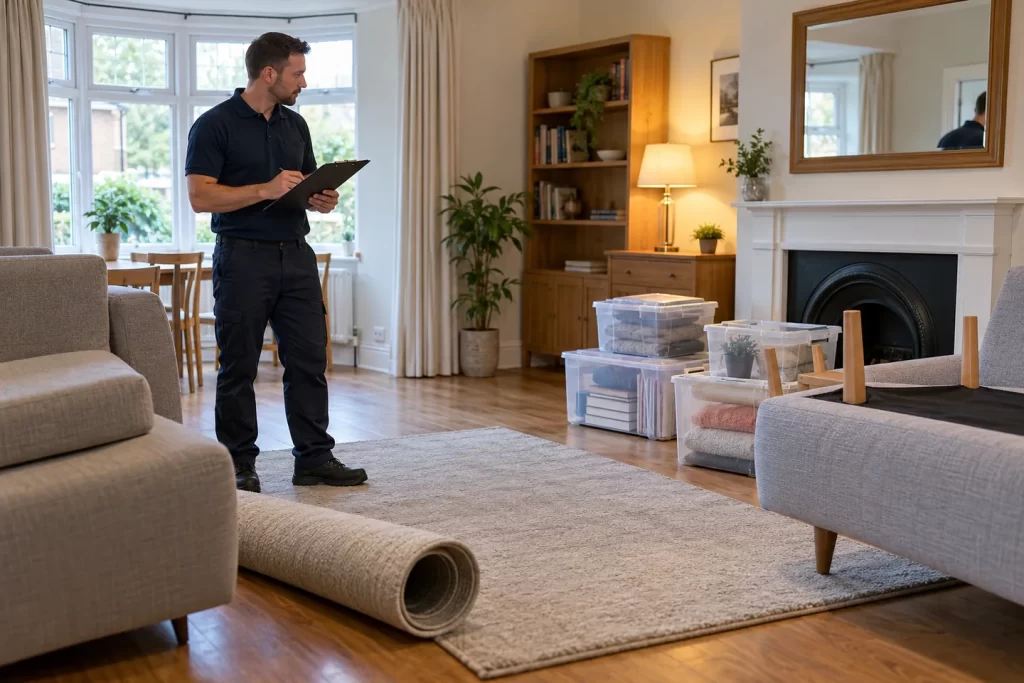
Preparation can include decluttering access routes, moving belongings as directed and identifying heat-sensitive items. Electronics, medicines, aerosols, candles, some plastics and items with batteries may need special handling or removal, depending on the provider's instructions. Do not assume that every possession can remain in the room. An inventory helps identify which items were treated and which require another plan.
How insecticide approaches are used
Professional insecticide treatment uses products authorised for the intended use and applied according to their label and the service plan. Depending on the product and setting, treatment may be targeted to cracks, crevices, bed-frame joints or other locations identified during inspection. The technician should explain any required evacuation, ventilation, re-entry interval and precautions for children, pets or people with particular health needs. Follow the label and the provider's instructions exactly.
Insecticides differ in how they work and where they may be applied. A product intended for a specific surface cannot safely be used on bedding or clothing unless its label explicitly permits it. Spraying a mattress, skirting board or personal item with a domestic product can create exposure risks and may not reach insects in a concealed harbourage. Ask the provider which products are proposed, why they are appropriate, and whether a follow-up visit is part of the programme.
Some insecticide programmes rely on residual activity, but that does not mean a treated surface guarantees control. Coverage, insect behaviour, access, product performance and the quality of preparation all matter. A technician may recommend repeat visits or combine control methods, particularly when eggs, inaccessible harbourages or continuing activity must be addressed over time. Ask the provider to describe the sequence rather than assuming one visit is sufficient.
Compare the practical trade-offs
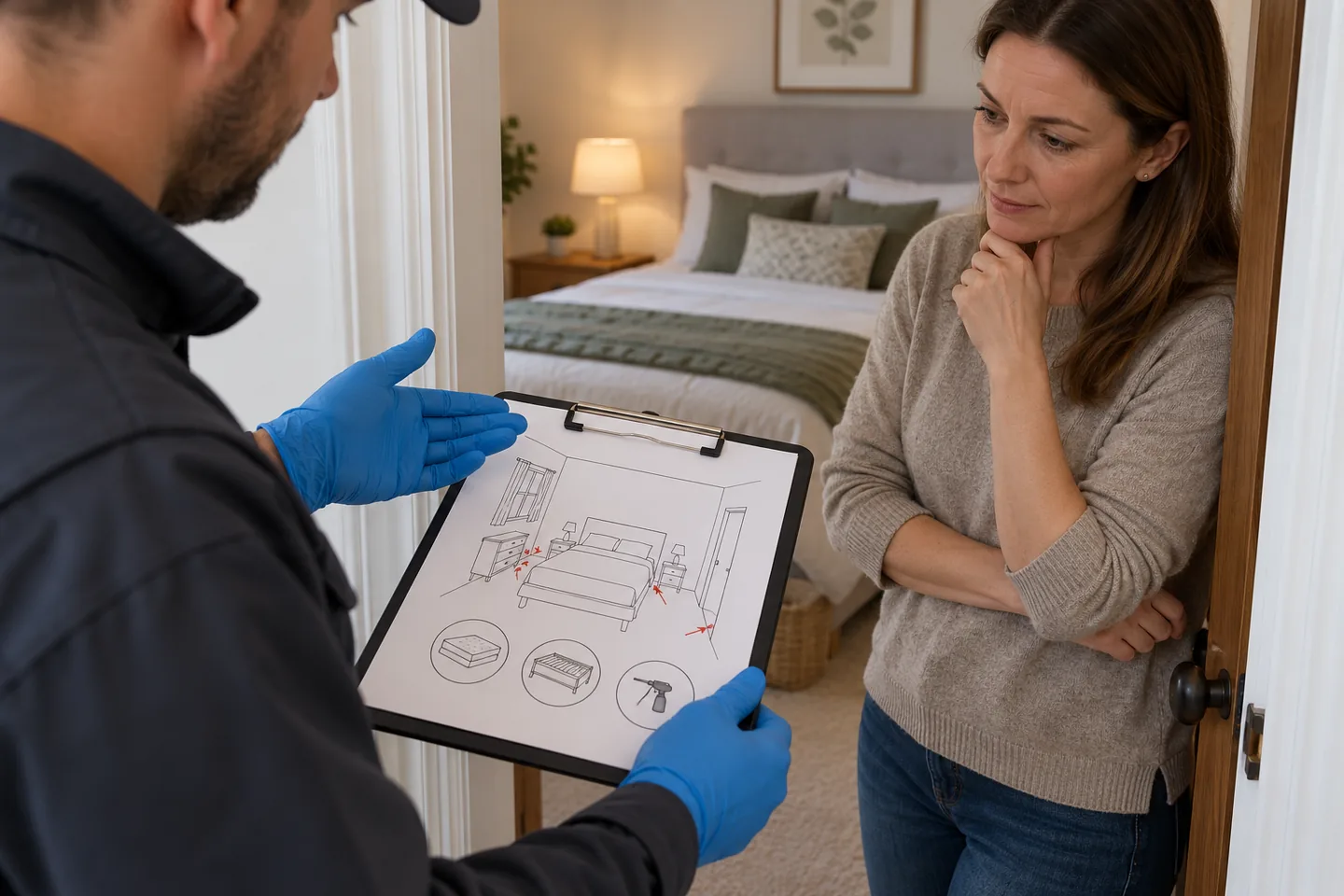
The two approaches can differ in how long the home is disrupted, which belongings must be handled and what evidence is recorded. Heat equipment may require residents to leave for the treatment period and until re-entry is authorised. An insecticide plan may involve preparation before application and restrictions while treated areas dry or ventilate. The actual timing depends on the provider and product; obtain specific instructions in writing rather than relying on a generic estimate.
Ask how the provider will handle access to the bed, upholstered furniture, built-in cupboards and stored items. For heat, ask about probe locations and difficult-to-warm objects. For insecticide, ask where the product will be placed and what surfaces are excluded. In either case, ask what needs to be moved, bagged or laundered and how treated items will be kept separate from items that still need attention.
Consider what happens after the initial visit. Heat leaves no residual barrier, so later monitoring and prevention of reintroduction matter. An insecticide programme may include a planned return to inspect or reapply product, but the details depend on its label and the service scope. Ask what counts as evidence of continuing activity, who to contact and whether follow-up is included in the price.
Cost should be compared alongside scope and support. A lower price may cover fewer rooms or exclude furniture; a higher quote may include a second visit or more extensive preparation. Request itemised written estimates with the treatment areas, included inspection, preparation, exclusions, safety instructions and follow-up terms. Compare like with like and avoid selecting solely on the claimed speed of a method.
Safety and suitability come before preference
Heat equipment creates high temperatures and requires trained operation. The provider should assess fire safety, building materials, furnishings and vulnerable items. Do not attempt to reproduce a professional heat treatment with portable heaters, hairdryers, steamers or improvised enclosures. These devices do not provide the control or monitoring of commercial equipment and may cause fires, burns or damage.
Insecticide products also require careful use. Keep people and animals away according to the label and provider's directions. Do not clean treated surfaces early unless instructed, because this could alter the plan, and do not add unapproved products. If someone in the property has asthma, an allergy, is pregnant or has another health concern, tell the provider before work begins so it can address precautions or recommend appropriate advice.
Neither approach should be selected without understanding the treatment boundary. A room can be treated while an adjacent infested area remains untreated; an item can be excluded because it is sensitive or inaccessible. Ask what the company recommends for exclusions and how those decisions will be recorded. A transparent limitation gives you a basis to plan next steps.
Questions that make quotes comparable
Ask each provider: What evidence confirms bed bugs? Which rooms and pieces of furniture are included? What preparation do you require? Which belongings must be removed or handled separately? How will you address inaccessible or dense harbourages? What products or equipment are proposed, and what safety instructions apply? What does the price include if another visit is needed? How will you assess whether activity has stopped?
For a heat quote, ask where sensors will be placed, how the provider responds to a slow-warming point and what temperature record you receive. For an insecticide quote, ask which authorised products are planned, where they will be applied, the re-entry and ventilation instructions, and whether repeat visits are included. If the answer is simply “we use the strongest treatment”, ask for a clearer description of the actual process.
The provider should be willing to explain what success means in a particular case and how it will be assessed. A single sighting after treatment needs identification and context: it could relate to a missed area, an untreated item or a later introduction. The follow-up plan should explain how the company will distinguish these possibilities and what evidence it needs from you.
Make the decision from the inspection and plan
Heat can suit circumstances where a carefully managed whole-area treatment is practical and sensitive items can be identified. Insecticide may suit a targeted programme where specific harbourages and product use can be managed safely. Some properties may need a combination or staged approach. These are general considerations, not a prescription for your home; the inspection findings and provider's qualified assessment should decide the details.
Start with a written inspection and compare quotes by scope, preparation, safety and follow-up. Ask the professional to explain why its recommendation fits your layout and evidence. The bed bug heat treatment service describes one option, while the overall bed bug treatment service is a place to discuss the available professional approach. Keep the report and any monitoring record so later findings can be assessed against what was actually done.
The useful comparison is not a contest between labels. It is whether the proposed method can be delivered safely in the affected area, whether the preparation is realistic, and whether the provider can explain how it will respond to limitations or continuing evidence. When you can answer those questions from the quote, you are in a better position to choose a professional plan that fits your home.
Leave a Reply
You must be logged in to post a comment.