
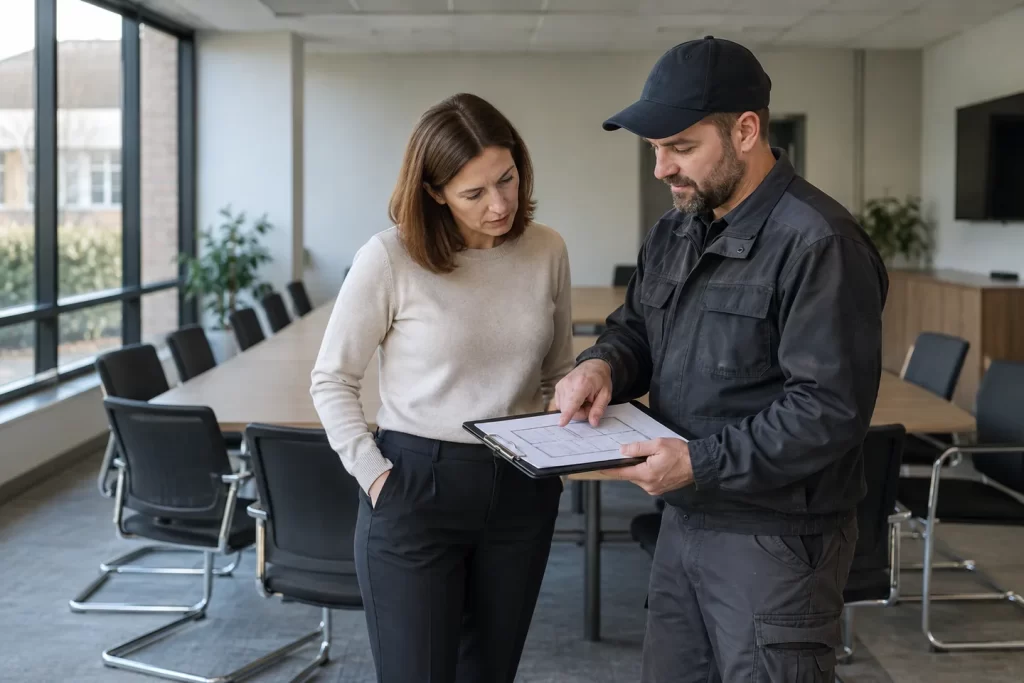
When a business reports possible bed bugs, a planned closure can give a pest professional access without disrupting customers or staff unnecessarily. The timing is only one part of the job. Managers also need to confirm the evidence, define which rooms and belongings are included, arrange preparation and set clear reopening criteria. Rushing work into a short closure window without agreeing these details can leave the inspection incomplete or create confusion about what was treated.
Bed bugs can be carried in personal belongings and furniture, so an isolated report should be assessed rather than treated as proof that an entire premises is affected. The right scope depends on where physical evidence is found, how rooms connect and what access is available. A professional inspection and a written plan let the business protect people and property while making a realistic decision about downtime.
Confirm the report and define the area
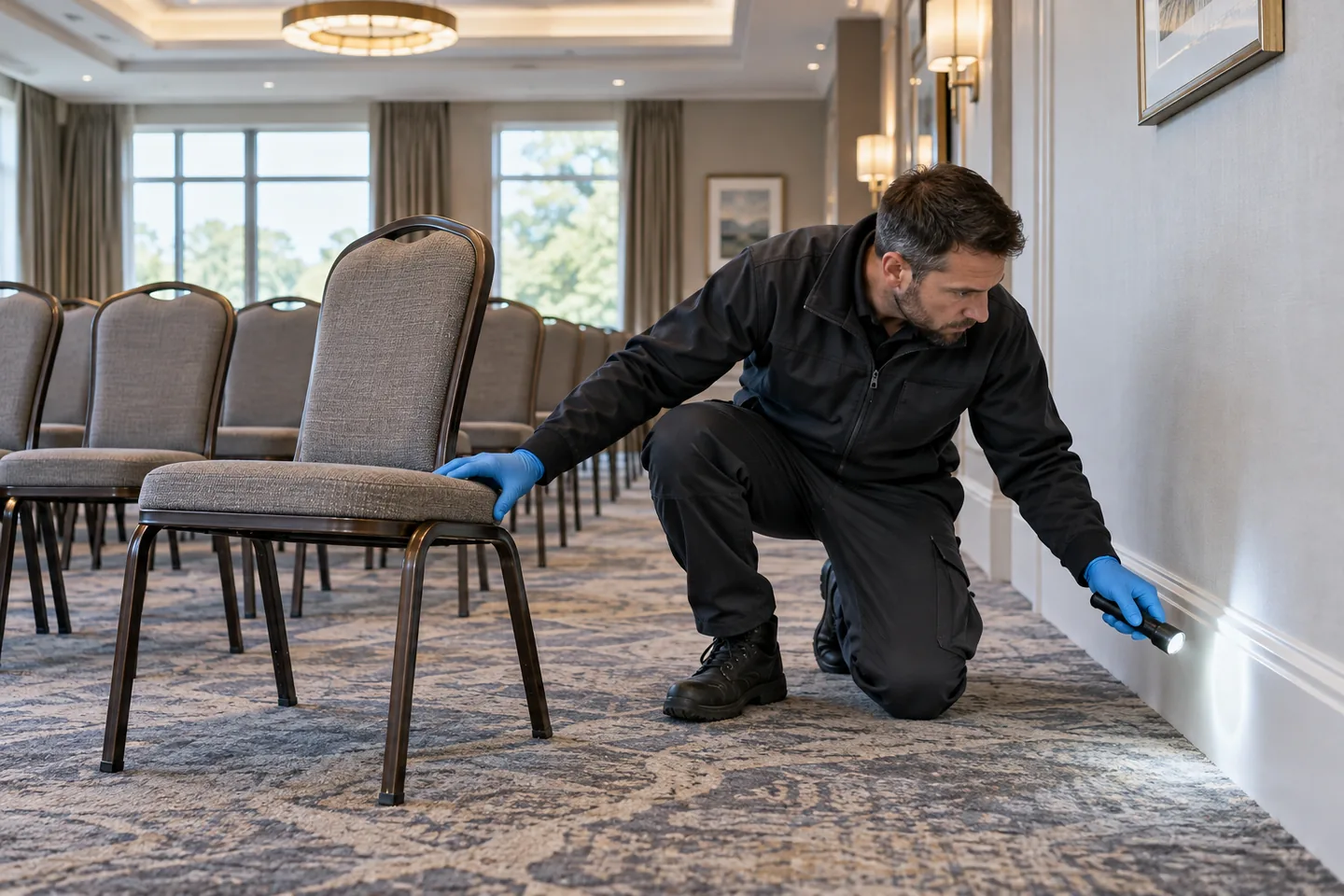
Record the location, time and nature of the report. Ask whether anyone has a photograph or specimen, but avoid treating skin marks alone as confirmation. A pest professional can identify an insect and inspect the relevant furniture, seating, sleeping area or changing space. The inspection should note what was checked, what evidence was found and whether adjacent areas merit further attention.
Tell the provider how the business uses each space and which hours it can access it. A staff rest room, hotel bedroom, theatre dressing room, care setting or shared office will have different constraints. Explain the locations of fixed equipment, shared storage, sensitive materials, security systems and areas that cannot be moved. This information helps the provider decide whether the proposed method is workable during the closure period.
Ask for a written treatment boundary. It should list the rooms and furniture included, any adjoining area that will be inspected, and every item that is excluded or treated separately. If another room cannot be accessed, record that limitation and agree a separate check. The professional bed bug inspection guide explains why evidence and inspection scope should come before method selection.
Build a realistic closure timetable
Work backwards from the intended reopening time. Include the inspection or pre-treatment survey, staff preparation, technician set-up, treatment duration, any ventilation or cooling period, equipment removal, safety checks and room reset. Ask the provider for its expected duration under the actual site conditions and a contingency if equipment, access or readings take longer than planned. Do not schedule customers or staff into the treated area until the professional authorises re-entry.
Plan for access outside ordinary hours only if the provider can safely staff it and the building can support the work. Confirm keys, alarm codes, loading access, lift use, parking and any permit requirements in advance. Name the site contact who can approve room access and respond if an item needs to be moved. A technician who cannot reach the agreed room or locate the responsible manager may lose valuable time during a narrow closure.
For a business that operates across shifts, make sure the closure schedule reaches every team. Reception, security, cleaning, maintenance, catering and contractors may all need a clear instruction not to enter or move items. Use door notices or access controls that state the restriction without disclosing private guest or staff details. Keep a contact number available for exceptions.
Assign responsibilities before treatment day
Choose one manager as the operational lead and one deputy. The lead should confirm the scope, collect staff questions, arrange access and keep the written record. A separate person may manage customer communication or staffing cover. Avoid leaving decisions about moving furniture or handling suspect items to whoever happens to be on duty.
Agree who will remove or secure belongings, who will identify heat-sensitive or valuable items and who will sign off the room after the job. If the provider requires cupboards to be emptied or furniture to be positioned for airflow, specify who will do that and by what time. Ask for a final readiness check with the technician before equipment is switched on.
Staff instructions should be practical and factual. Tell them which area is closed, whether personal items need to be removed and who to contact if they find evidence. Do not ask employees to use household insecticides, steamers or heaters before treatment. Unplanned products can create safety risks and complicate the professional's assessment. If the report concerns a staff member's belongings, handle the conversation privately and follow the organisation's relevant policies.
Prepare rooms and belongings to the agreed method
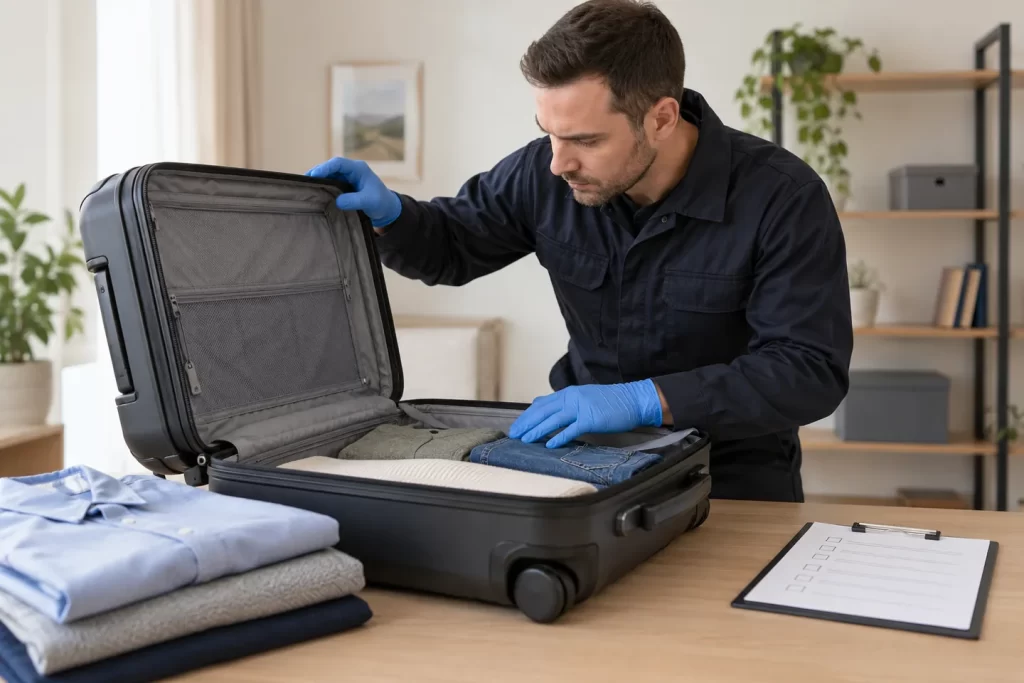
Preparation depends on the treatment. For heat, clear access to furniture and identify items that cannot tolerate elevated temperatures. Electronics, medicines, aerosols, batteries, candles, some plastics and specialist equipment may need removal or specific assessment. The provider should issue a list suited to the premises, not a generic checklist that overlooks business-critical objects.
For insecticide treatment, the team may specify where products will be applied, which surfaces must be accessible and what needs to be removed from the room. Follow the product label and the professional's instructions for evacuation, ventilation and re-entry. Do not clean or move treated objects early unless the provider says to do so. A manager should retain the instructions and share them with the people responsible for reopening.
Use an inventory for items removed from the room. Record whether each object was treated, sealed, stored elsewhere or excluded. This is especially useful in a workplace where equipment can be returned by another shift. Keep treated belongings apart from untreated ones until the provider confirms how they can be put back. For heat work, the site's belongings preparation guide can help managers organise exceptions.
Do not transport suspect items through public areas or place them in another room without advice. Bagging and moving items can carry insects to a clean area. If a mattress, chair or other object needs removal, ask how to contain it and coordinate the route and disposal. Keep corridors and shared storage clear during the operation.
Ask what monitoring and records will be provided
For heat treatment, ask where the provider intends to monitor temperature, how it handles dense or obstructed locations and what happens if a point warms slowly. A heater display is not a record of every object. The guide to bed bug heat-treatment monitoring explains the value and limits of probe readings. Get a dated handover that lists treated areas, exclusions, significant access limits and any re-entry instructions.
For insecticide work, ask which products are planned, where they will be applied and what the label says about re-entry and ventilation. Request written product and safety information for the site file. If the provider recommends a return visit, confirm the date and what access will be required. Keep the inspection report, treatment records and photographs together so that a later report can be compared with the original findings.
The commercial heat treatment service can be a starting point for discussing a property-specific job. Ask whether the quotation includes the initial inspection, out-of-hours attendance, preparation advice, treatment records and follow-up. The price should make clear what happens if the site cannot be completed during the planned window.
Manage communication during the closure
Decide what customers, guests or staff need to know. Most people need practical information about a room closure, booking change or alternative space; they do not need unverified details about a suspected source. Use consistent, calm language and direct questions to the named manager. If a customer has reported an insect, respond through the business's normal complaint process and tell them what is being checked.
If more than one area is involved, tell each team which spaces are closed and when they will receive an update. Keep the details private where appropriate. Do not identify a colleague or guest publicly, and do not suggest that a particular person caused the problem without evidence. A respectful, factual response reduces rumour while the professional completes the assessment.
Reopen only when the planned checks are complete
Before reopening, confirm the provider has finished the agreed work and authorised re-entry. Check that the room was ventilated or cooled as instructed, equipment is removed and any safety restrictions have ended. Return belongings from the inventory only when their treatment status is clear. Ask whether monitors need to be installed or left undisturbed, and assign someone to check them at the recommended intervals.
If a new insect is found after reopening, preserve it for identification, note the exact room and location, and contact the provider. It could reflect a missed harbourage, an untreated item or a later introduction. A single finding does not settle which explanation applies. Do not apply an extra spray or move furniture before the professional advises whether another inspection is needed.
After the incident, review whether the closure window was realistic, staff understood access rules and the handover documented exclusions. Update the business's response plan with the provider's practical recommendations. The purpose is not to guarantee that no pest will ever enter a commercial property, but to make the next response quicker, safer and easier to coordinate.
Commercial bed bug treatment can fit around a closure when the inspection, preparation, access and reopening criteria are agreed in advance. Start with evidence, choose a qualified provider and build enough time for the actual work and safety instructions. A written plan lets managers limit avoidable disruption while ensuring that customers, staff and contractors know what to do.
Leave a Reply
You must be logged in to post a comment.